
 13 сентября 2026
Ballistic goggles have to meet the ANSI Z87.1-2020 high-velocity impact criteria or MIL-PRF-32432A military criteria to ensure protection of the eyes while shooting. The usual safety goggles do not meet the 6 times increased kinetic energy criteria required for high-speed fragmentation protection.
Очки Beautaste produces OEM shooting safety glasses that conform to international criteria using pure titanium and TR90 frames. The company has factories in China, Vietnam, and Thailand that supply custom PVD color and certified optical solutions to distributors around the world.
The shooting safety glasses are a growing B2B category in terms of demand from the commercial sector. There is a need for quality optical products that would ensure adherence to safety requirements and regulations. Increased interest in participating in ranges is driving procurement officers to source for tough and durable eyewear with customizable OEM abilities.
It is important for global supply chain managers to look for strong suppliers who can accommodate volume orders without affecting delivery schedules. Manufacturing in several countries provides the advantage of minimizing risks and reducing the impact of trade tariffs on international brands.
| Стандарт | Target Market | Impact Test Requirement |
| ANSI Z87.1-2020 | Industrial & Civil | 1/4 inch steel ball at 150 ft/s |
| MIL-PRF-32432A | Military & Tactical | 0.15 cal projectile at 640 ft/s |
| EN 166 (Grade F) | European Union | 6 mm steel ball at 45 m/s |
Industrial products target civil ranges using ANSI Z87.1 shooting glasses specifications. This standard mandates that the frame and lenses withstand impact by steel balls without breaking and should not become detached from the frame groove.
Military tactical applications require certification according to the MIL-PRF-32432A standard. Military ballistic testing is carried out using a 0.15-caliber ball traveling at a speed of 660 feet per second. Such testing involves resistance to six times more energy than industrial standards.
Color of shooting glasses lenses impacts the design of the OEM through light transmission, increasing contrast and specific environmental light conditions for marksmen. The OEM should select suitable tints that strike a balance between visibility and optical safety.
Selecting the correct shooting glasses lens color allows brands to target specialized end-user segments.
| Lens Colors | Environment | Optical Function |
| Прозрачный | Indoor / Low Light | Maximum VLT (89-92%), impact clarity |
| Gray / Smoke | Bright Outdoor | Reduces glare, natural color balance |
| Amber / SCT-Orange | Overcast / Target Pop | Blocks blue light, sharpens orange |
| Желтый | Dawn / Dusk / Fog | Increases contrast in dim light |
Interchangeable lens systems enable people to change tints instantly depending on the changing lighting conditions. OEM modular frames help save on manufacturing tooling costs by using a single frame mold for different kits. Rapid release brow locks help change polycarbonate lenses without loosening frame tension.
Shooters who require vision correction need certified prescription shooting safety glasses that maintain high-impact protection.
Direct glaze single-vision polycarbonate lenses provide wide peripheral vision, but their manufacture is costly for strong prescriptions. In contrast, RX carrier insert allows snap-in mounting behind the main lens. Thus, such a system reduces manufacturing costs and enables changing outer colored shields freely.
The polycarbonate raw material is put through drop-ball and high-impact mass tests to determine its structural integrity. The frame is then tested for flexural fatigue to avoid breaking due to physical strain. The third-party test lab produces official test results that prove adherence to ANSI Z87.1, CE, and FDA standards.
MOQ usually varies from 300 pieces for titanium to 1,200 pieces for injected TR90. Unit price is largely dependent upon material quality, surface treatment, and lens coating. Mass production at multi-region facilities is advantageous in terms of tariffs and transportation.
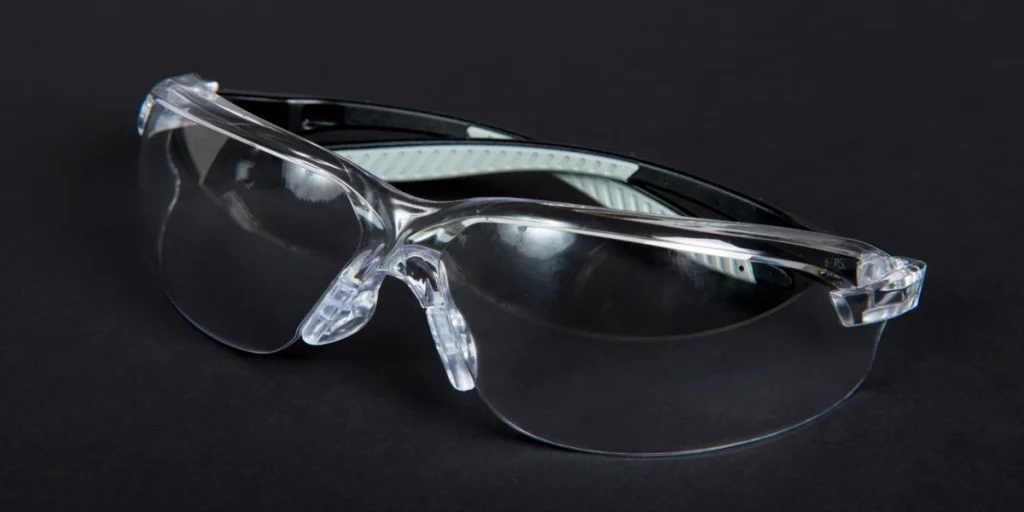
Private-label partnerships let distributors brand proven eyewear designs quickly. Custom eyewear design services enable brands to create unique frame shapes, logo placements, and custom colorways.
Buyers should request current third-party laboratory test reports before deciding to go into full-scale production. Confirm that these test reports bear matching factory names, revision dates of standards, and photographs of samples. Responsible factories issue traceable SGS material reports and FDA registration details upon request.
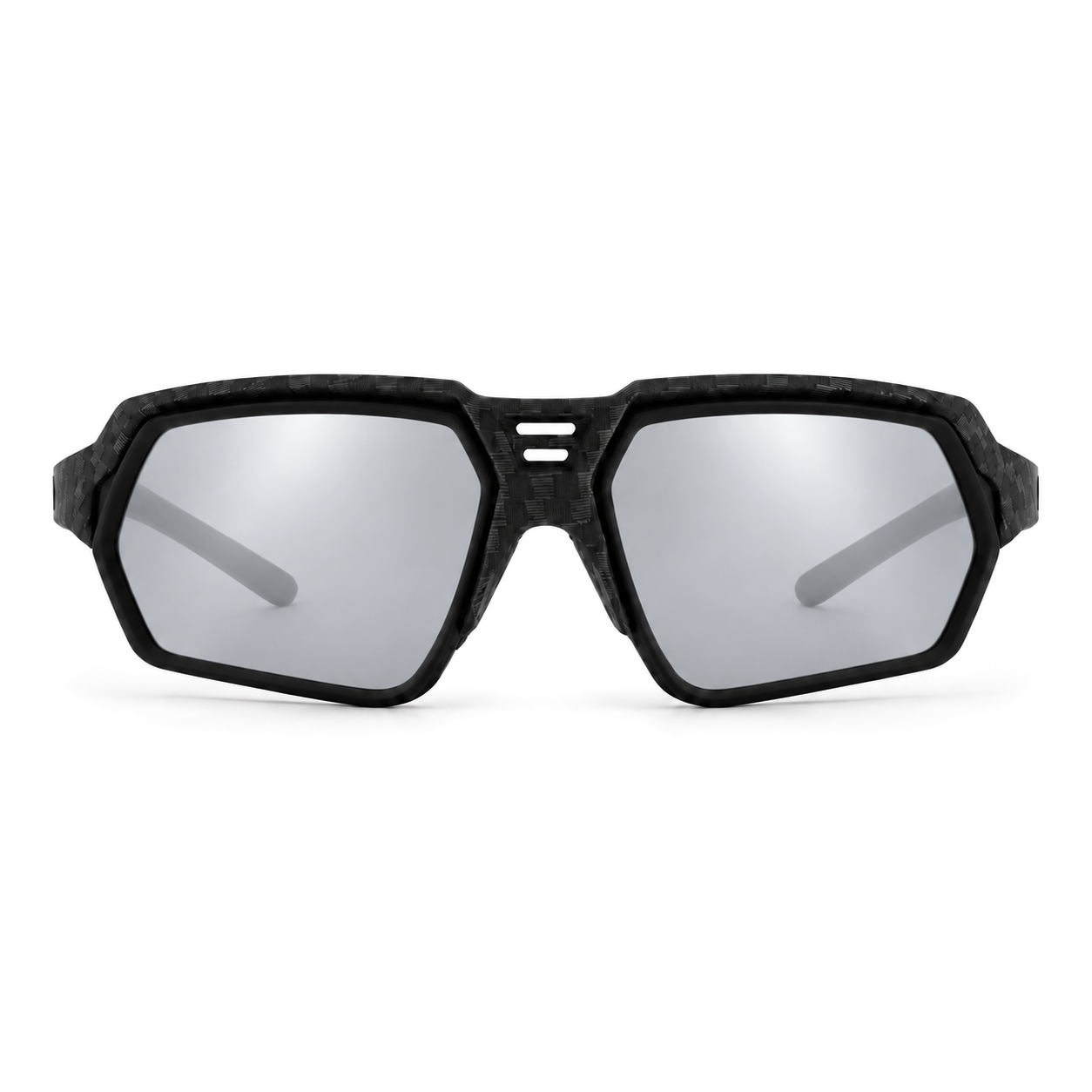
Shooting glasses should adhere to ANSI Z87 and standards for high impact protection from flying particles, ricocheting objects, and powder gases.
The main safety standards that govern the use of safety glasses in America are the American National Standards Institute Standards known as ANSI/ISEA Z87.1.
Shooting glasses provide specific optical tints and coverage that are made specifically for shooting purposes to increase precision, while standard safety glasses aim more at providing protection from occupational debris.
With over 20 years of OEM titanium frame manufacturing experience in eyewear industry, Beautaste provides proper lens tinting, prescription carrier installation, and certifications compliant to global standards that assure user safety and optical clarity in using shooting glasses.
With Beautaste, you can get flexible supply chain planning, timely delivery, and ensure adherence with СЕ, FDA, and SGS standards. Contact Beautaste Eyewear today to discuss your OEM shooting safety glasses project and request custom samples.

+86-577-86072133

0086 13506515296
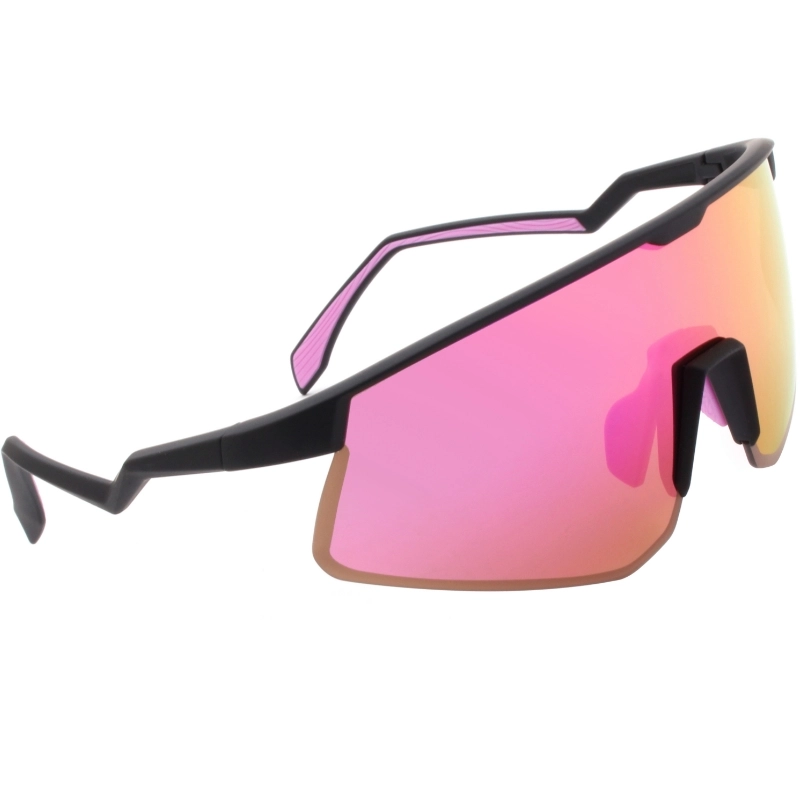
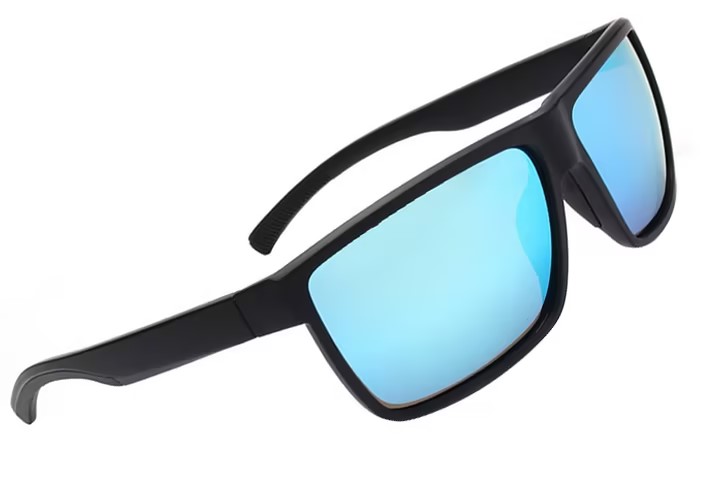

 English
 Spanish
 Arabic
 French
 Russian
 Portuguese
 German
 Japanese
 Korean
 Hindi
 Bengali
 Italian
 Turkish
 Persian
 Vietnamese
 Thai
 Urdu
 Dutch
 Indonesian
 Greek
 Swedish
 Malay
 Polish
 Czech
 Tagalog
 Danish




 Китай
 ЛИБЕРИЯ
 ФРАНЦИЯ
 БАРБАДОС
 КИРИБАТИ


