
 23rd, Setyembre 2026
The eyewear quality control checklist ensures no returns from customers by ensuring all material, structural, and optical requirements are met in pre-production, in-line, and final inspections. The AQL(ANSI/ASQ Z1.4) Eyewear Inspection Standard is used by importers to assess defect levels before releasing the product from the factory.
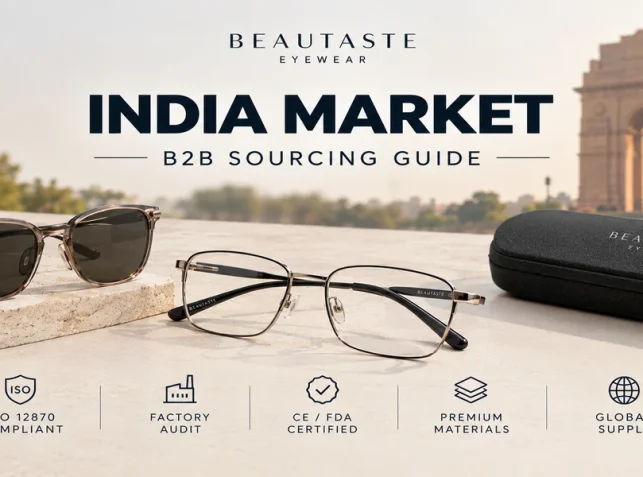
Beautaste Eyewear produces frames made of pure titanium and beta titanium which pass the stringent defect free criteria. Operating since 2004, Beautaste maintains production facilities in China, Vietnam, and Thailand with full CE, FDA, and ISO compliance.
Importers require a standardized quality control checklist or system to identify any manufacturing problems before goods exit the production line. Frame deformations, weak hinges, and defective lenses result in expensive product returns and tarnished reputation.
The application of a pre-shipment inspection eyewear method prior to shipping enables the setting of standard benchmarks for contract manufacturers. This prevents any quality-based disagreements between importers and manufacturers during large-scale production.
An extensive checklist is also essential to ensure that international regulations are met in different markets around the world. It acts as audit evidence in customs and safety inspections.
Inspect batches of raw material before beginning assembly of frames. Ensure that the TR90, cellulose acetate, and metal alloys are of the correct flexibility and density according to the approved order specifications.
It should be ensured that the raw material used for the metal stock is made from either pure titanium or beta titanium. Lab reports for the material should prove non-toxic and hypoallergenic properties.
| Material Types | Key Verification Check | Common Raw Defect |
| TR90 Thermoplastic | Flexibility and memory retention | Moisture stress fractures |
| Cellulose Acetate | Sheet thickness and moisture level | Internal air bubbles or discoloration |
| Titanium / Metal | Alloy purity and corrosion test | Material brittleness |
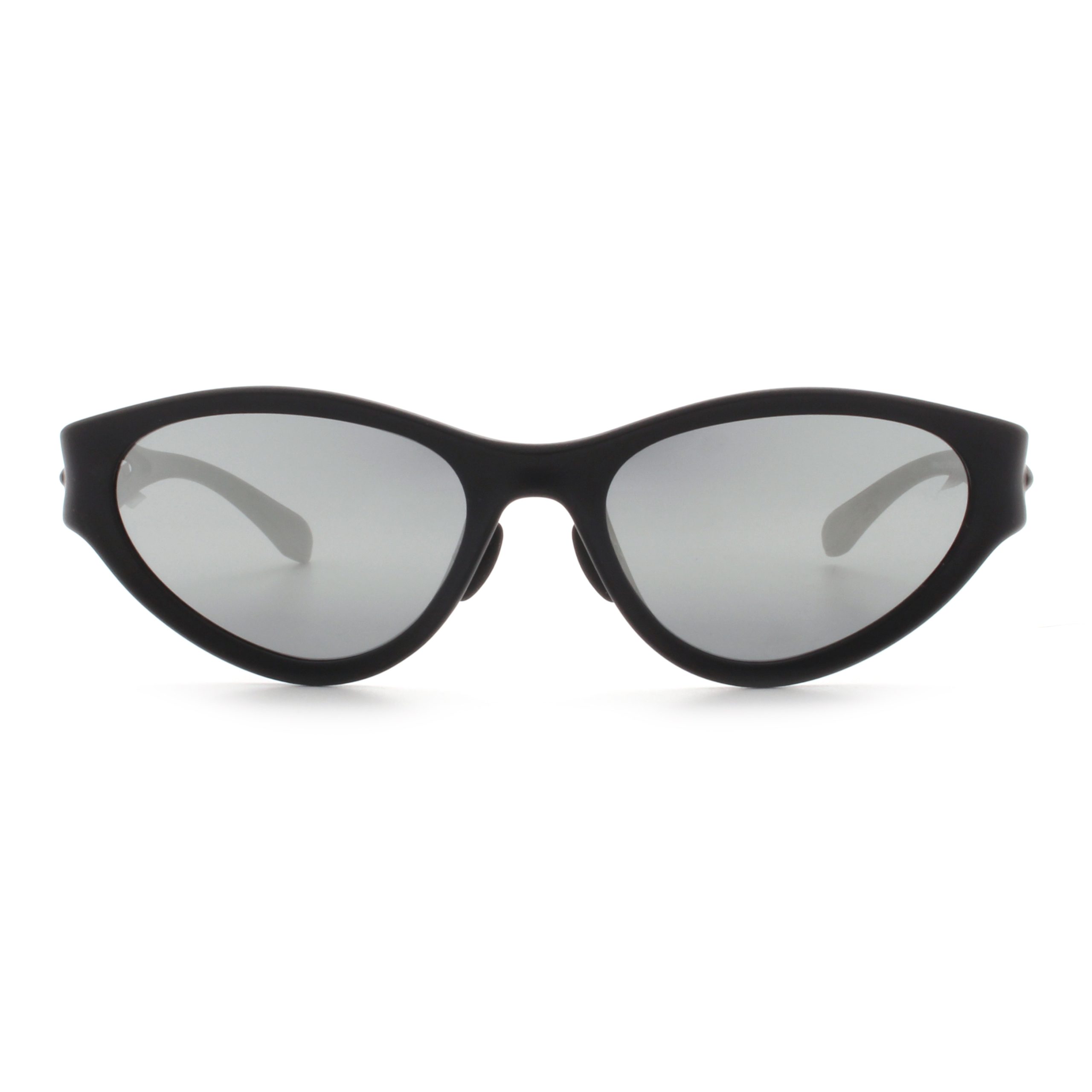
Check the optical characteristics of the lenses using a spectrophotometer prior to frame mounting. Lenses should be completely protected from any UV rays up to 400 nanometers.
Check polarized lenses for the presence of a polarization axis meter to avoid visual distortion. Tint density should match that of the tested controls across the entire batch.
Temple hinges should be tested at the middle stage of frame assembly to determine their durability. Hinges should be manually flexed and moved through 20 consecutive open and close motions.
Test whether there is any loosening of screws, friction in joints or misalignment of temple hinges after cycling. Also, ensure that spring hinges operate smoothly without mechanical problems.
Determine the precision of lens mounting using digital calipers from within the frame rim. Both lenses should mount in the same manner with even rim pressure to avoid pop-outs.
The centers of the lenses should align horizontally to within +/- 0.5mm. An asymmetric curve in frames will cause extreme eye strain for the wearer.
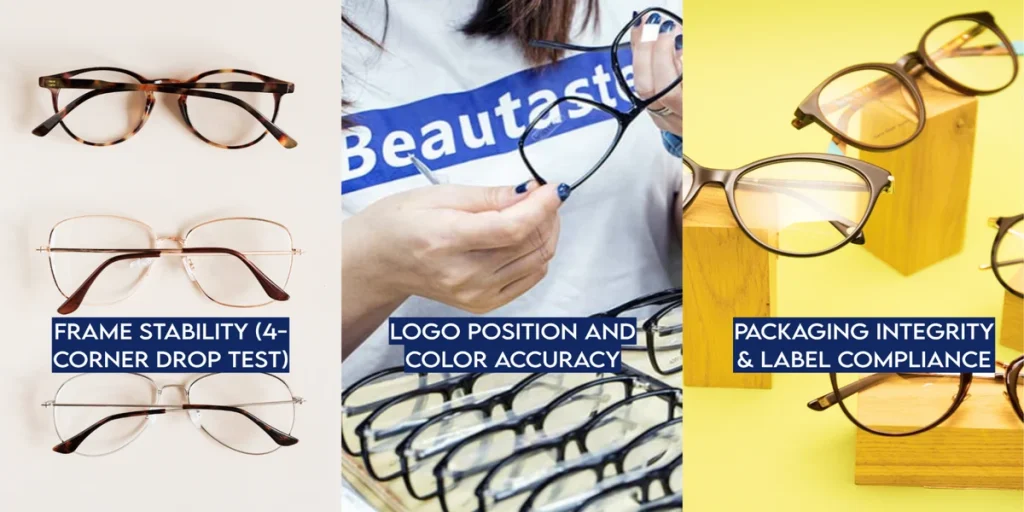
Put all the glasses down on a flat surface plate. All four frame corners, as well as the tips of the temples should make even contact with the surface. Perform a conventional 4-corner drop test from a height of 30 cm onto a hardwood block. Look for any cracks, loose screws, or lens displacement.
Inspect brand logo imprint on temples, test lenses, and protective cases. Compare with artwork files, where laser engraving, pad printing, or metal inlay is used. Check for accurate color match via Pantone color matching under D65 lighting. Discard pieces with smeared printing, misaligned placement, or detached foil.
Check polybags, interior boxes, and master shipment cartons for strength. Make sure that barcode labels correspond to the master shipment manifest and SKU numbers. Ensure that all required country-of-origin labels and safety symbols are applied to all external packaging. Refer to Beautaste’s custom packaging options for compliant cases and display boxes.
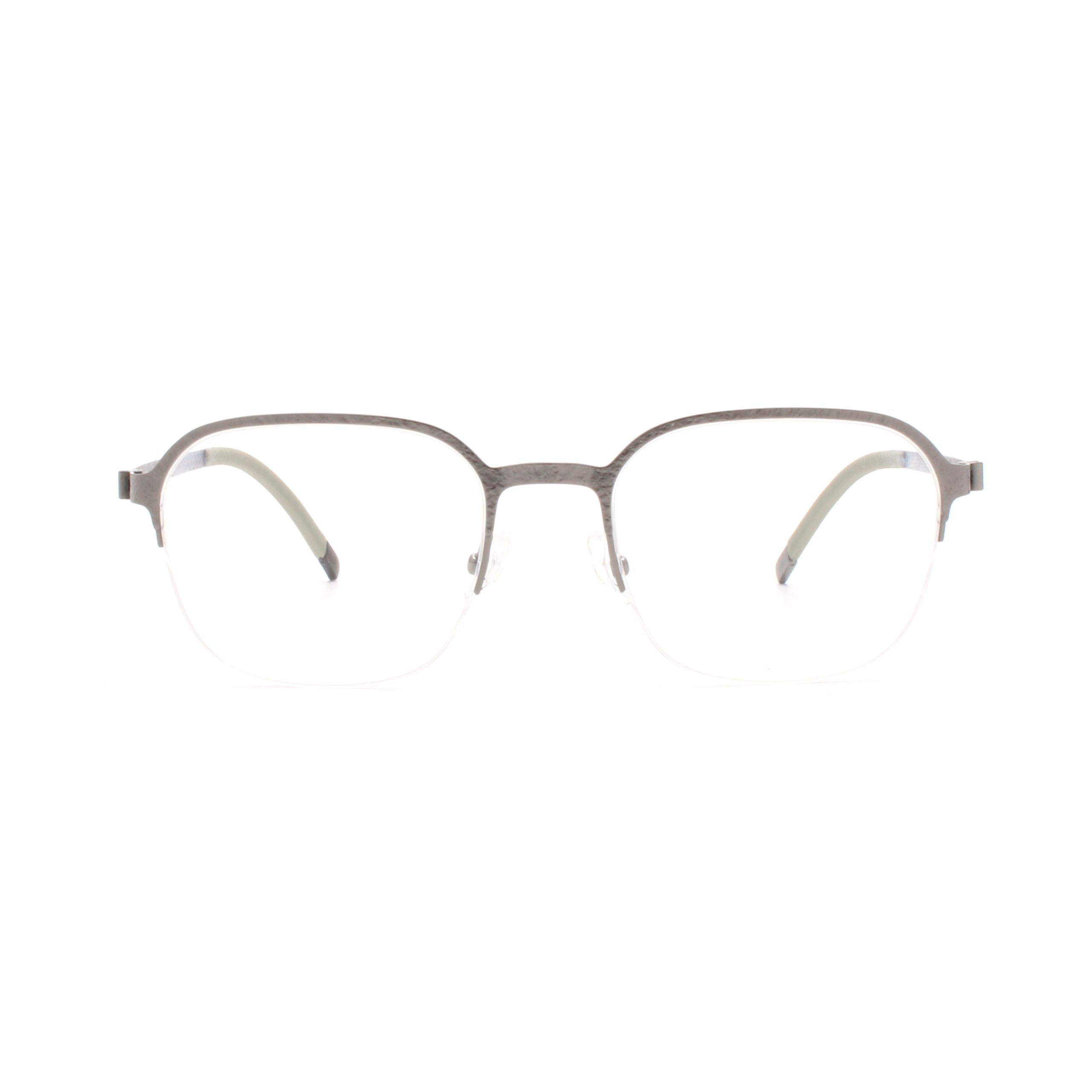
The eyewear defect classification guide is used by importers to classify product defects. The Acceptable Quality Level (AQL) represents the maximum number of defects in an inspected lot.
| Defect Class | Example Defect Description | Standard AQL Limit |
| Critical Defect | Exposed sharp metal edge, broken frame | 0.0 |
| Major Defect | Misaligned frame, scratched lens | 1.5 or 2.5 |
| Minor Defect | Minor coating speckle, box crease | 4.0 |
Technical safety documentation is essential for every shipment of eyewear internationally. Lenses must be tested for impact resistance per FDA 21 CFR 801.410 drop ball testing.
CE Declaration of Conformity to ISO 12312-1 standards is required for all European shipments, while US importations must include FDA Registered Facility Numbers and Device Listing documentation.
Moreover, keep full SGS material safety sheets for metal frame alloys and plastic resins. This ensures that the materials meet the REACH chemical standards and heavy metal regulations.
Beautaste Eyewear brings over 20 years of OEM expertise in manufacturing pure titanium and beta titanium optical frames and sunglasses.
The company operates production facilities across China, Vietnam, and Thailand to support flexible global supply chain planning. Moreover, it provides custom PVD colorways, spring hinges, and screwless frame systems that meet full CE, FDA, and SGS material standards.
Explore the complete optical frame and sunglass catalog by visiting Beautaste’s frame collection o contacting their engineering team ngayon.

+86-577-86072133

0086 13506515296
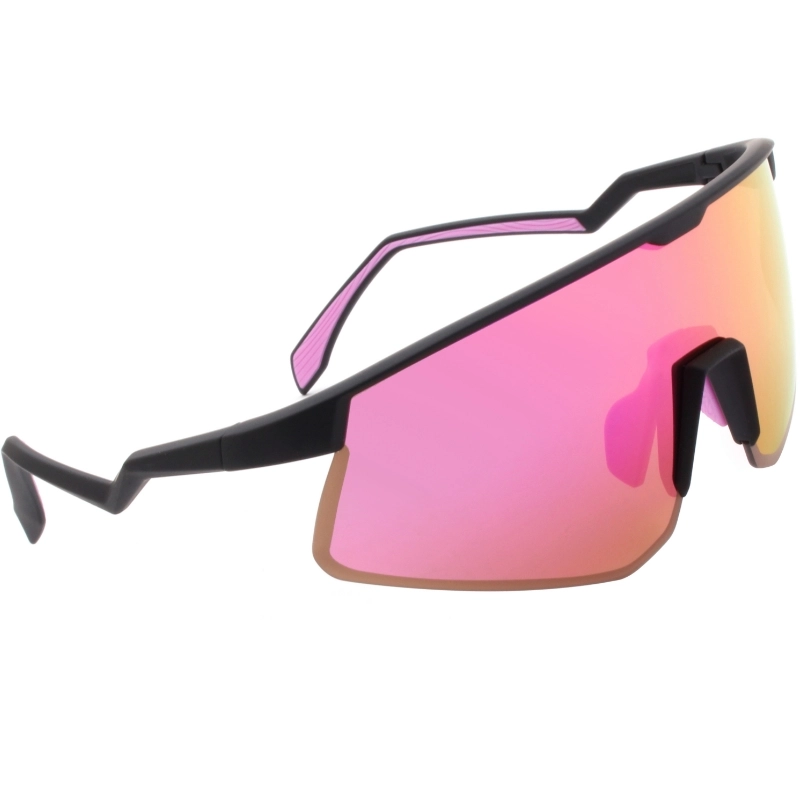

 English
 Spanish
 Arabic
 French
 Russian
 Portuguese
 German
 Japanese
 Korean
 Hindi
 Bengali
 Italian
 Turkish
 Persian
 Vietnamese
 Thai
 Urdu
 Dutch
 Indonesian
 Greek
 Swedish
 Malay
 Polish
 Czech
 Tagalog
 Danish






 Tsina
 LIBERIA
 FRANCE
 BARBADOS
 KIRIBATI


