
 5th, August 2026
Scientific research shows yellow-tinted night driving glasses have not been shown to improve nighttime driving performance, while their reduced light transmission may be undesirable in dark environments.
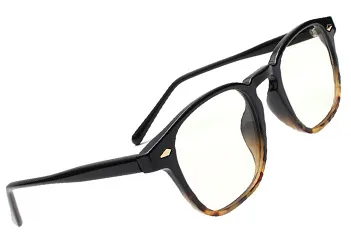
For the drivers, it is necessary to ensure light transmission and reduce reflections. The clear lenses with the anti-reflection coating are an example of the solution without the light-blocking tint.
The products typically include yellow or amber-tinted lenses that are sold as night driving glasses to change the light spectrum. It is necessary to distinguish the comfort they promise from their actual performances.
Marketing claims suggest yellow tints filter short-wavelength light to reduce glare or improve contrast. However, changing contrast does not translate into better hazard detection or driving performance.
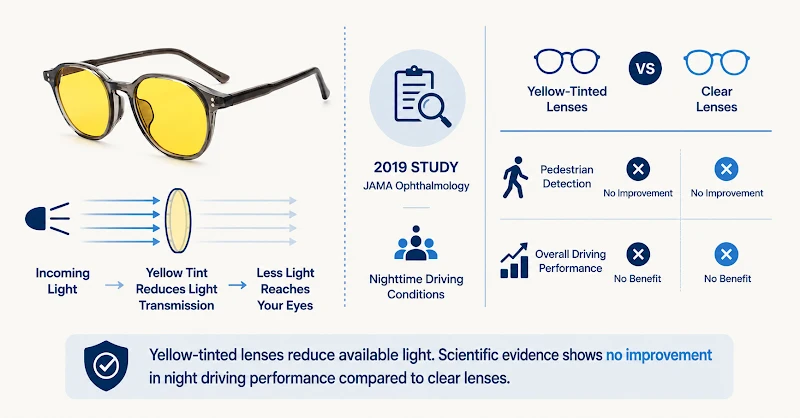
Yellow-tinted lenses reduce light transmission depending on density and design, so any reduction in available light should be considered.
A 2019 study published in JAMA Ophthalmology compared yellow-tinted lenses with clear lenses during nighttime driving conditions. The study found yellow lenses did not improve pedestrian detection or provide performance benefits over clear lenses.
Anti-reflective coatings can reduce reflections from lens surfaces that may contribute to distracting glare around bright light sources. Their performance depends on the coating design, lens material, and manufacturing quality.
Polarization is useful for reducing reflected glare in daytime conditions, but is generally not preferred for nighttime driving because preserving available light is important. Clear, non-polarized lenses with anti-reflective coatings are a more practical option.
Drivers with uncorrected refractive errors, including astigmatism, may experience blur, halos, or glare around headlights. Corrective lenses address these errors, making clear prescription night driving glasses with an anti-reflective coating a practical option to reduce reflections.
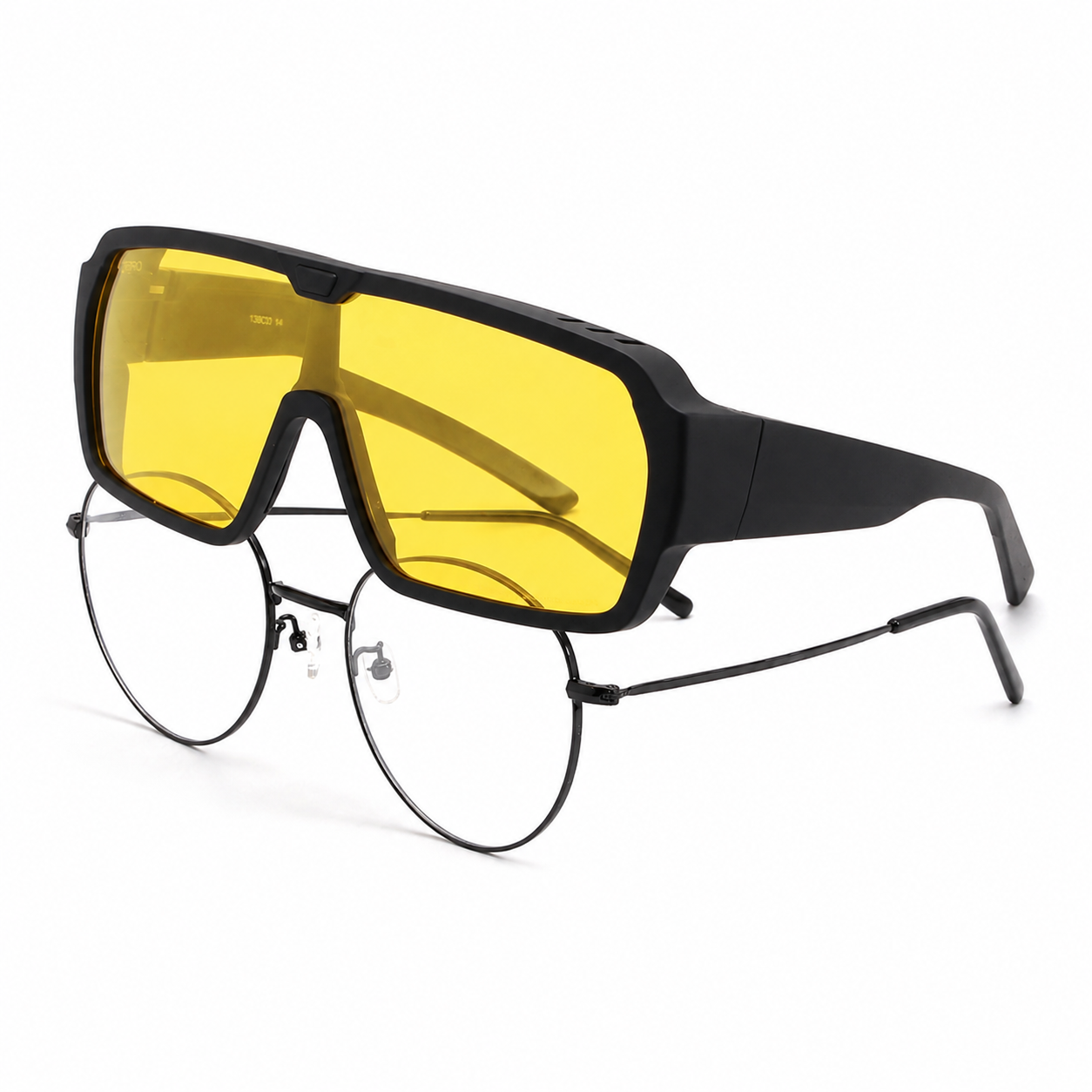
Sourcing partners must align product messaging with science to build trust, as marketing yellow lenses as the best night driving glasses risks buyer dissatisfaction. Brands can source high-performance optics from qualified manufacturing partners with documented quality-control procedures.
Older drivers and night-shift workers may have different visual-comfort and prescription needs, particularly when driving in low-light conditions. NHTSA research on nighttime glare and driving performance highlights the effects of glare on nighttime driving performance.
Brands can address these needs through appropriate prescriptions, lens designs, and coatings rather than relying on tint alone, integrating these into custom solutions for eyewear brand catalogs.
Brands should identify the applicable optical and product-safety requirements for each target market and product category. Amber and orange tints may be appropriate for products intended for other evening or blue-light-related uses, but driving eyewear should be evaluated separately, with adequate light transmission and optical performance prioritized. Sourcing clear lenses from a certified manufacture partner ensures compliance.
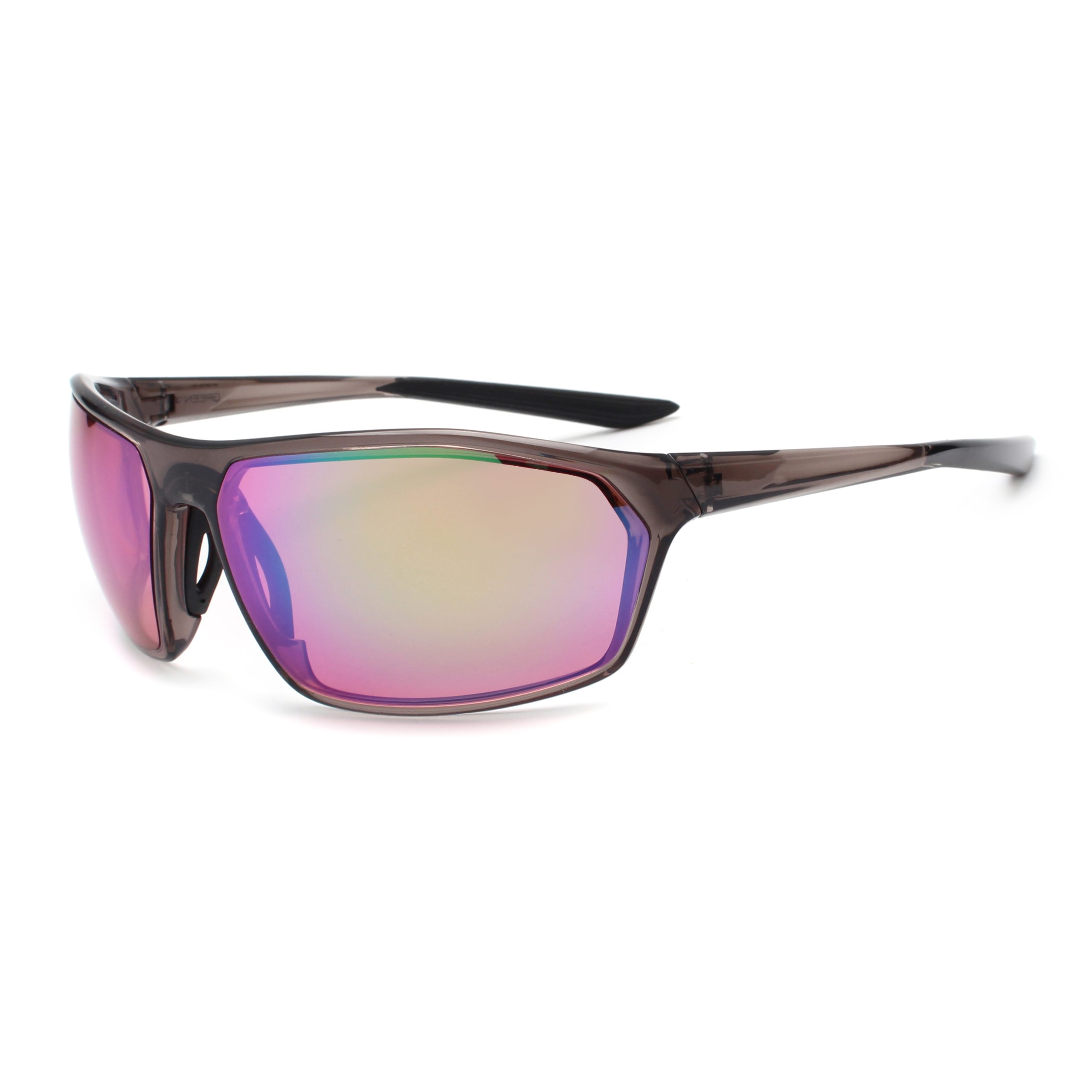
Retailers evaluating product offerings should compare how different optical configurations perform under typical night-driving conditions.
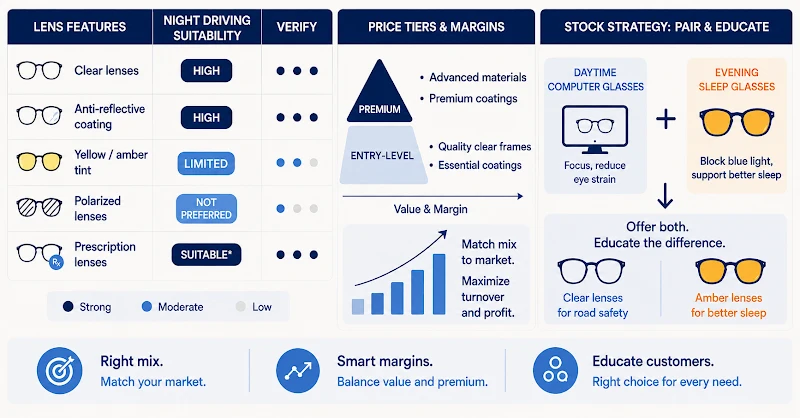
| Lens Feature | Night-Driving Suitability | Buyer Verification Point |
|---|---|---|
| Clear lenses | High | Light transmission, optical clarity, prescription accuracy |
| Anti-reflective coating | High | Reflection control, coating durability, surface performance |
| Yellow/amber tint | Limited | Light transmission, tint density, supporting performance evidence |
| Polarized lenses | Generally not preferred | Light transmission and vehicle-display compatibility |
| Prescription lenses | Suitable when correctly specified | Prescription accuracy, optical quality, proper fitting |
Offering diverse price tiers helps retailers capture budget-conscious buyers and premium accounts. Entry-level options can feature high-quality clear frames, while premium tiers incorporate custom titanium frames with advanced coatings.
Distributors should analyze local market demographics to calibrate their inventory mix between these two tiers. This target-specific procurement ensures high inventory turnover and optimizes profit margins on volume orders.
Retailers should offer complete packages, pairing daytime computer eyewear with evening sleep support to capture diverse consumer needs. Ensuring inventory includes certified anti glare night driving glasses with clear lenses alongside orange-tinted products helps educate consumers on the differences between road safety and sleep filtration. While amber and orange-hued tints are excellent as glasses for night use to block blue light, driving requires different specifications.
Research has not shown yellow-tinted night driving glasses to improve nighttime driving performance, making clear lenses with anti-reflective coatings a practical option for managing lens-surface reflections. As a partner for custom glasses manufacturing, Beautaste provides comprehensive OEM/ODM support from our manufacturing facilities to scale your business.
No, standard yellow-tinted glasses do not reduce glare and can make driving more dangerous by dimming shadows. To minimize discomfort, motorists require clear, high-transmission optics equipped with advanced anti-reflective coatings.
No, scientific research shows they do not improve night vision. They filter out essential light, whereas clear lenses with anti-reflective coatings are the safest choice. Yellow lenses are especially hazardous during wet or rainy driving conditions.
Yes, drivers with astigmatism should wear night driving glasses for astigmatism featuring clear prescription lenses and premium anti-reflective coatings. This combination eliminates ghost images and distracting surface reflections for safer evening travel.

+86-577-86072133

0086 13506515296

 English
 Spanish
 Arabic
 French
 Russian
 Portuguese
 German
 Japanese
 Korean
 Hindi
 Bengali
 Italian
 Turkish
 Persian
 Vietnamese
 Thai
 Urdu
 Dutch
 Indonesian
 Greek
 Swedish
 Malay
 Polish
 Czech
 Tagalog
 Danish




 China
 LIBERIA
 FRANCE
 BARBADOS
 KIRIBATI


