
 7th, September 2026
The German eyewear production industry complies with DIN EN ISO 12870 standards, which include ±0.5mm tolerance and high-grade corrosion resistance standards. The German eyewear manufacturers achieve such standards due to use of locally sourced raw materials, custom-made stainless steel alloys, and screwless hinges.
Beautaste Eyewear meets these needed requirements by delivering pure titanium and beta titanium optical frames with custom PVD colorways. Founded in 2004, the company operates global production facilities in China, Vietnam, and Thailand to supply compliance-tested frames worldwide.
The manufacturing process in Germany involves strict control of tolerances and local sourcing of raw materials. Factories source materials like German stainless steel and high quality acetate are sourced locally.
Such proximity minimizes shipping time and guarantees traceability. Frames are assembled using advanced laser cutting and CNC milling techniques which make the frame structure strong.
German-made eyewear frames are tested against DIN EN ISO 12870 for mechanical stability and dimensional accuracy, and against REACH limits for nickel release and other harmful substances.
Frames with corrective lenses are also CE-marked, with lens components regulated as Class I medical devices under EU MDR 2017/745; most factories additionally hold ISO 9001 certification for consistent quality management.
| Certification Standard | Technical Focus |
| DIN EN ISO 12870 | Frame mechanical stability and dimensional limits |
| REACH Compliance | Chemical safety, including nickel release and plasticizer limits |
| EU MDR 2017/745 | Applies to corrective lens components (Class I medical device) |
| CE Marking | Overall compliance with EU health, safety, and environmental regulations |
| ISO 9001 | Factory-level quality management systems |
The companies below are examples of established German eyewear brands and manufacturers. The list is for sourcing research and is not a ranking by sales or production volume.
These architectural styles make eyewear trends from Germany highly recognizable globally.



The mid-size German workshops manufacture customized items in small batches. They provide white-label manufacturing services to exclusive brands. Buyers looking for eyewear manufacturers Germany would find that these regional manufacturers offer customized laser engraving and proprietary surface treatments.
Their own internal production capacity, however, is less compared to that of big Asian manufacturing plants.
The international standard for ISO 12870 specifies stringent dimensional criteria for frames. The horizontal lens sizing should remain within ±0.5mm margins, and the temple length should not be off by more than ±2.0mm.
Moreover, bridge deformation test of frames is done with a force of 5N to avoid frame distortion. Frame sweat resistance test subjects the frames to an artificial perspiration bath at 55°C for 24 hours to avoid metal corrosion.
For quality German optical frames, precise grooves with accurate bevel angles are required. Bevel angles with proper alignment secure lenses from dislocation upon physical impact. Improperly mounted tensions may lead to optical aberrations in high-index lenses. German assembly lines test for proper axis alignment using digital focalmeters before product shipment.
Unfortunately, direct sourcing from Germany is expensive with strict order minimums. The high labor rates makes base product prices more expensive.
German suppliers require technical specifications prior to production. B2B buyers have to provide 3D CAD files along with detailed material spec sheets. From this, manufacturers ship with full compliance binders with each order. These binders consist of REACH chemical testing results, CE compliance statements, and ISO lab reports.
Sourcing eyewear from Germany should involve a strict adherence to DIN EN ISO 12870 tolerances and EU MDR medical requirements. Unfortunately, although local factories in Germany provide proximity advantages, international buyers prefer multi-location sourcing to balance high production costs and strict minimum order quantities.
Beautaste Eyewear provides long-standing OEM titanium frame manufacturing experience to help buyers meet these technical standards. It specializes in pure titanium and beta titanium optical frames and custom sunglasses. The company operates modern manufacturing facilities across China, Vietnam, and Thailand that provides supply chain options for global markets.
Notably, Beautaste maintains full compliance using CE markings, FDA registrations, and SGS material test reports. Contact us to further review custom optical frame specifications today.
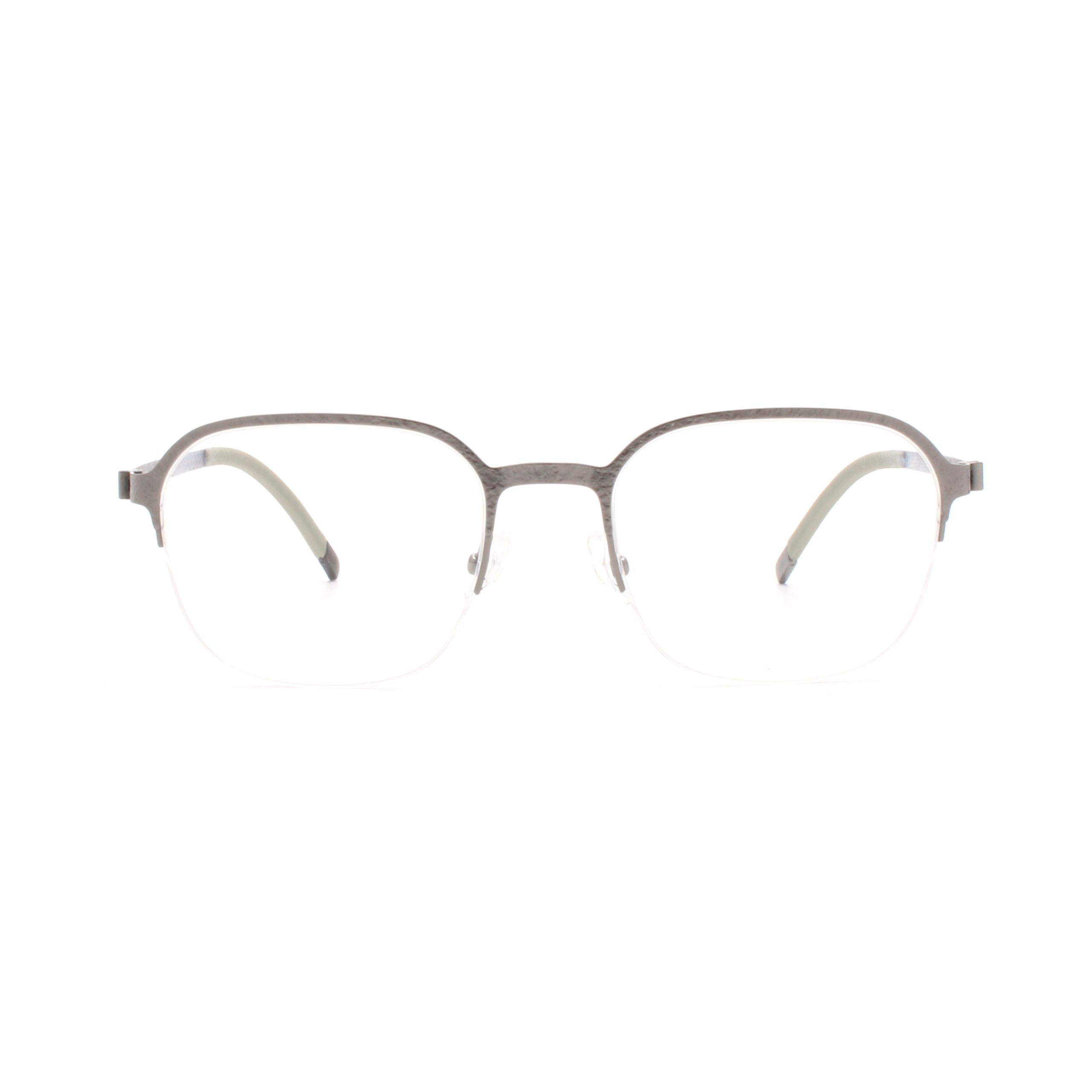
When sourcing eyewear from Germany, buyers gain strict quality control, compliance with European safety standards, and innovative hinge designs.
Materials commonly used in German optical frames are surgical stainless steel, pure titanium, and high-density block acetate.
You need to ask your supplier to provide you with SGS or independent lab test reports showing dimensional stability and bridge strength tests.

+86-577-86072133

0086 13506515296

 English
 Spanish
 Arabic
 French
 Russian
 Portuguese
 German
 Japanese
 Korean
 Hindi
 Bengali
 Italian
 Turkish
 Persian
 Vietnamese
 Thai
 Urdu
 Dutch
 Indonesian
 Greek
 Swedish
 Malay
 Polish
 Czech
 Tagalog
 Danish







 China
 LIBERIA
 FRANCE
 BARBADOS
 KIRIBATI


