
 11th, September 2026
High-end interchangeable lens sunglasses need frame retention strength more than 15 N along with full UV400 optical filtering in varying light environments. Frame retention helps prevent the accidental falling out of lenses in case of impact while maintaining easy manual swapping mechanics.
The Beautaste Eyewear produces interchangeable lens sunglasses with the use of pure titanium and beta titanium frames designed for maximum mechanical durability. The company has multi-plant infrastructure complying with international CE and FDA standards and offers custom OEM/ODM services to worldwide distributors.
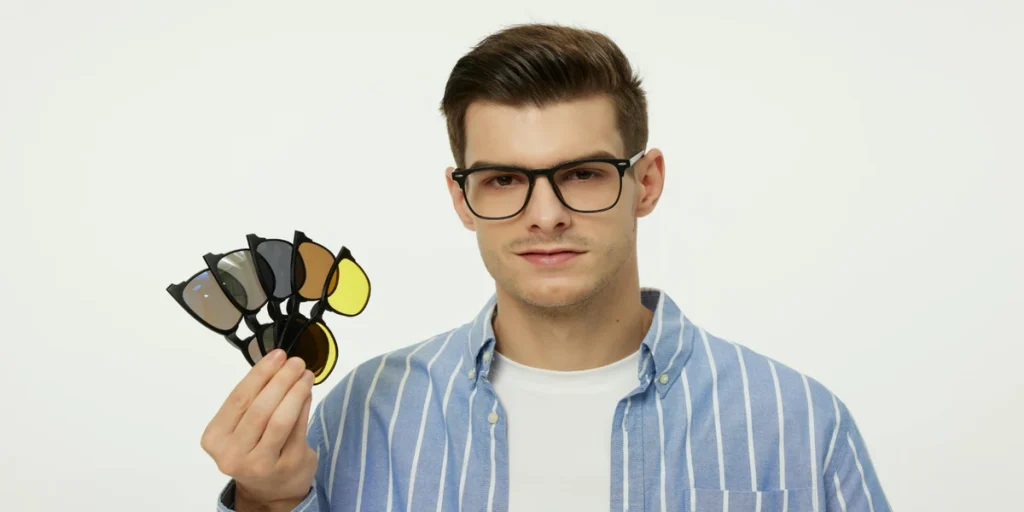
A system of interchangeable sunglasses enables users to change tinted lenses while using the same frame chassis. The modularity of this design responds to changes in lighting conditions, tactical surroundings, and sport activities. Users simply exchange tinted, clear, and low-light lenses rather than purchasing different frames.
Today’s interchangeable glasses are characterized by tight frame tolerances coupled with flexibility in retaining the rims. In just a few seconds, wearers can change the lenses in order to maximize visual acuity. They also support diverse tint options, including photochromic and variable tint sunglasses.
Rare-earth magnets incorporated into the frame and lens rim are used for the neodymium magnetic mount system. It is the fastest mounting method possible without any physical movement of the frame. However, hard impacts can remove magnetic lenses unless paired with mechanical backup latches.
In pressure-fitting systems, the elasticity of frame material allows it to be bent slightly in order to fit in with the lens notch using manual thumb force. Tool-less mounting of such a type needs fatigue-resistant material such as beta titanium or TR90.
Rails transfer the lens to the track inside the frame to lock it mechanically in place at the mechanical bridge. It is a precise mounting system that resists strong winds and direct blows very well. However, precise tolerances of less than 0.05 mm are needed to avoid frame noise.
| Mechanism Type | Swap Speed | Retention Force | Production Complexity | Durability Rating |
| Magnetic Mount | Instant (< 2 sec) | Moderate (8-12 N) | High | High (No flex wear) |
| Pressure-Fit | Fast (5-10 sec) | High (15-22 N) | Low | Moderate (Material fatigue) |
| Rail/Slide | Medium (10-15 sec) | Very High (> 25 N) | Very High | Very High (Locked track) |
The polycarbonate material is highly durable and affordable. The problem is that the polycarbonate material has higher internal stress and lower Abbe value (30). In contrast, Trivex has greater optical quality and less weight but more expensive material in its raw form.
The multi-layer anti-reflective (AR) coating allows increasing the percentage of light transmission by the lenses. Silicone hard coat prevents scratches of the substrates from abrasive dust during manual change. The hydrophobic coating keeps away water droplets and fingerprints.
The polarized multi lens sunglasses can eliminate glare from asphalt and water reflection. The non-polarized glasses can be used in situations where you need digital display visibility.
VLT is used to describe the transmission of light through the optical lens in terms of percentages. There are five main categories of lenses defined by ISO 12312- standard as follows:
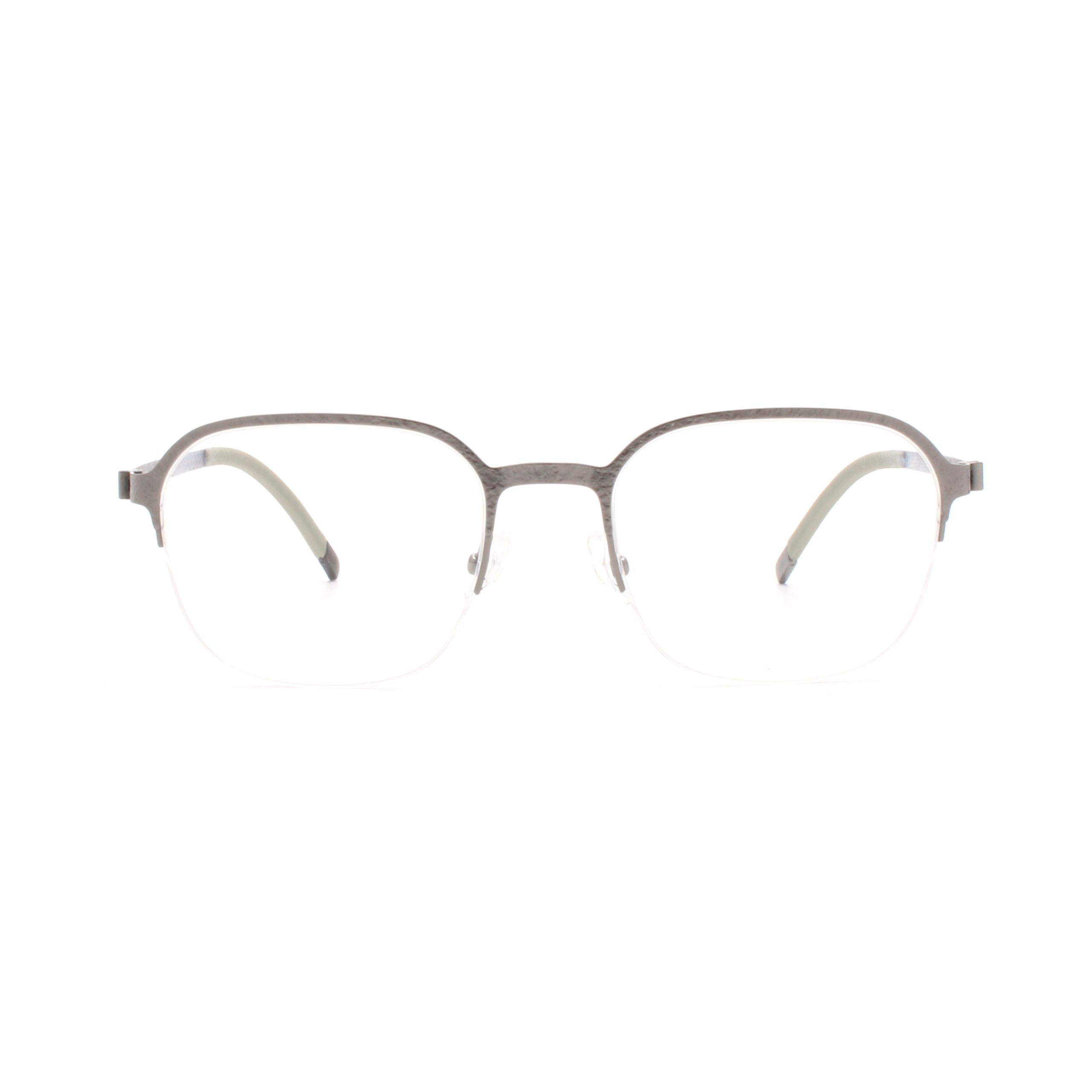
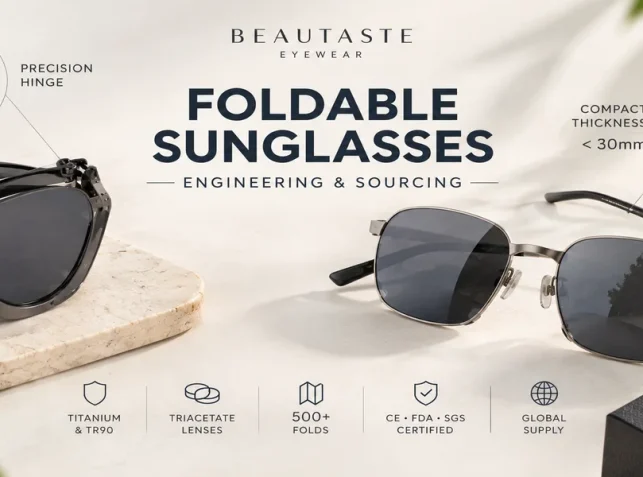
Check if suppliers have performed testing for the number of cycles endured by the frame. Good quality frames can handle 500+ insertion of lenses without deformation or damage to the frame. The machine tests the elasticity of the frames under constant twisting stress.
Factories should meet the health regulations across the globe. The products should retain CE certification for European countries, UKCA certification for Britain, and FDA certification for the USA. Material reports from SGS should confirm that they are biocompatible metals and the paints used are not toxic.
Yes. Quality interchangeable lens sunglasses are made with flexible beta titanium and high-impact polymer materials that are able to handle the stress of bending during lens change.
Photochromic variable tint glasses automatically change their tints according to the amount of UV rays. An interchangeable system needs manual lens replacement.
Eyewear sold in Europe must comply with EN ISO 12312-1 standards and carry the official CE mark.
Interchangeable lens sunglasses need tolerance on frame fittings, quality materials, and optically coated lenses.
Beautaste Eyewear offers more than two decades of experience in making titanium optical frames and customized glasses. The company has its manufacturing plants in China, Vietnam, and Thailand to maintain flexible supply chain management. All their products are manufactured based on globally accepted standards and CE, FDA, and SGS material certifications.
Reach out now to Beautaste Eyewear’s website to explore complete custom manufacturing capabilities.

+86-577-86072133

0086 13506515296

 English
 Spanish
 Arabic
 French
 Russian
 Portuguese
 German
 Japanese
 Korean
 Hindi
 Bengali
 Italian
 Turkish
 Persian
 Vietnamese
 Thai
 Urdu
 Dutch
 Indonesian
 Greek
 Swedish
 Malay
 Polish
 Czech
 Tagalog
 Danish





 China
 LIBERIA
 FRANCE
 BARBADOS
 KIRIBATI


