
 3rd, June 2025
If you’re choosing between TR90 and polycarbonate (PC) frames, here’s the short answer: TR90 frames are more flexible, lighter, and better for active wearers, while polycarbonate frames offer higher impact resistance and remain a popular choice for prescription and safety eyewear.
This guide explains the basics of TR90 vs polycarbonate frames—how they’re made, their strengths and weaknesses, and which one suits different needs. You’ll also see how Beautaste Eyewear uses both materials to design stylish, high-quality glasses for online sellers, wholesalers, and fashion brands..

TR90 is a thermoplastic polymer developed through Swiss technology. It’s known for being incredibly lightweight, durable, and flexible. TR90 is designed to bend without breaking, unlike traditional plastics, making it ideal for sport and lifestyle glasses.
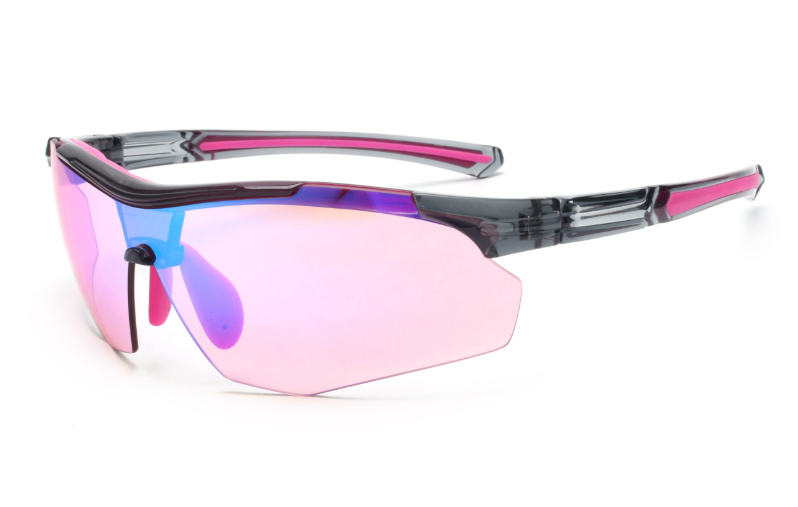
Polycarbonate (PC) frames (or polycarbonate glasses frames)are made by melting the resin and molding it into shape through injection. They are extremely durable and lightweight and are often used in safety or prescription glasses because of their high impact resistance.
| Feature | TR90 Frames | Polycarbonate Frames |
| Weight | Ultra-light (up to 35% lighter than PC) | Lightweight but denser |
| Flexibility | High elasticity, memory return | Rigid, less flexible |
| Impact Resistance | Strong but less than PC | Excellent impact resistance |
| Scratch Resistance | Moderate | Generally lower unless coated |
| Color & Style | Bright, vibrant, easy to dye | Often solid or neutral tones |
| Comfort for Long Wear | Excellent for prolonged use | Comfortable but less flexible on pressure points |
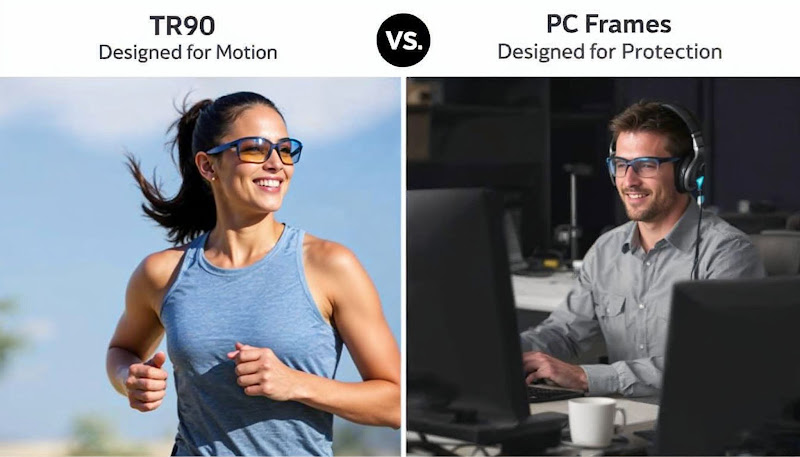
TR90 is 30–35% lighter than polycarbonate, which is already lighter than acetate. That means TR90 frames feel more comfortable, especially for long hours or active use. Polycarbonate is still light but doesn’t fit on the face as well.
Thanks to its memory material, TR90 is flexible and can bend without breaking. It bounces back to shape easily. Polycarbonate frames are more rigid and may snap under pressure.
Both TR90 and polycarbonate resist impact well, but polycarbonate is a bit stronger against sudden shocks. That’s why it’s often used for kids’ glasses and safety eyewear.
TR90 handles heat better than polycarbonate. It can resist short bursts of heat up to 350°C, while polycarbonate is more likely to warp under heat or sun.
TR90 frames come in brighter, longer-lasting colors. Polycarbonate frames usually have sprayed-on color, which can fade. If you want bold and lasting styles, TR90 is the better pick.
| Key Factors | Beautaste Eyewear | Others |
|---|---|---|
| Production Capacity | ✅ 10M Pairs/Year | ❌ Limited Scale |
| Styles & R&D | ✅ 100+ New Styles/Month | ⚠️ Few Updates |
| Factory Coverage | ✅ China, Vietnam, Thailand | ❌ Single Location |
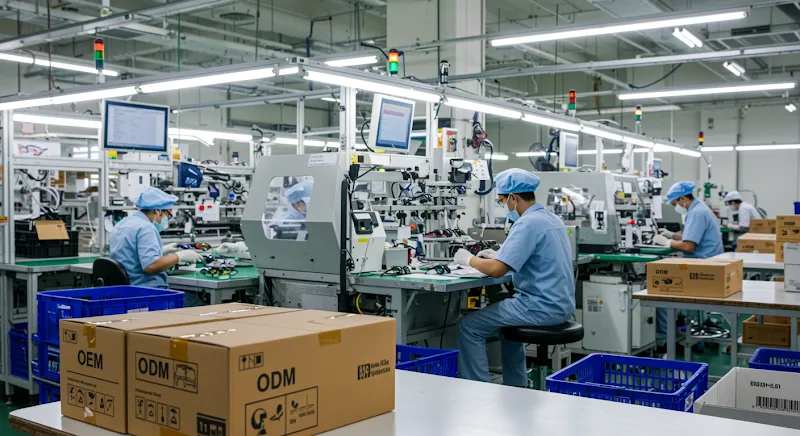
| OEM/ODM Support | ✅ Brand Incubation & Tech Team | ⚠️ Basic OEM Only |
| Delivery & Response | ✅ 24h Quotation, On-Time Shipment | ❌ Slow Response |
| Product Stability | ✅ Consistent Quality, 99%+ Pass Rate | ⚠️ Quality Fluctuates |
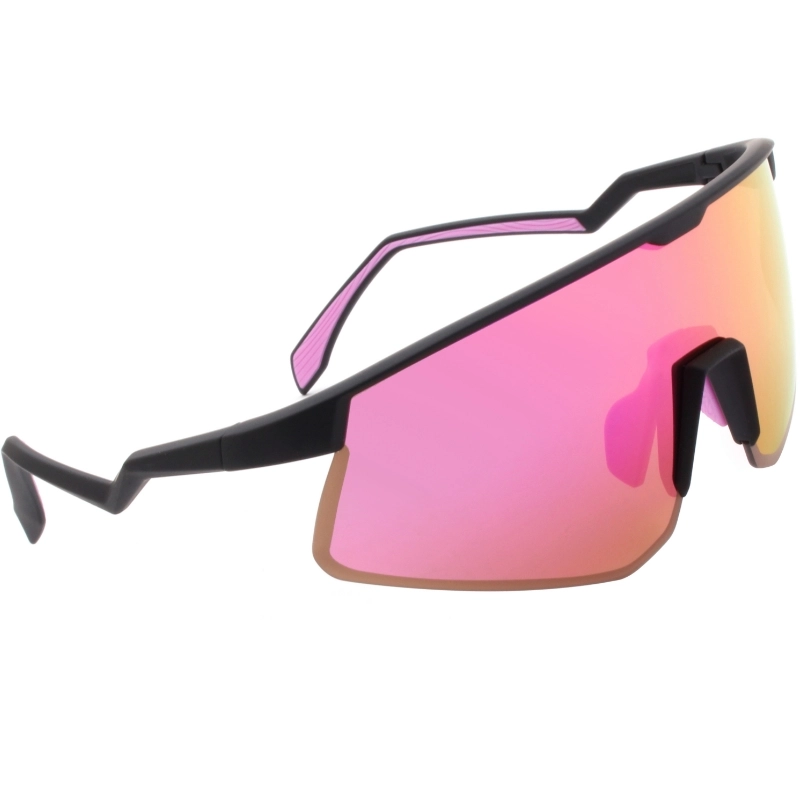
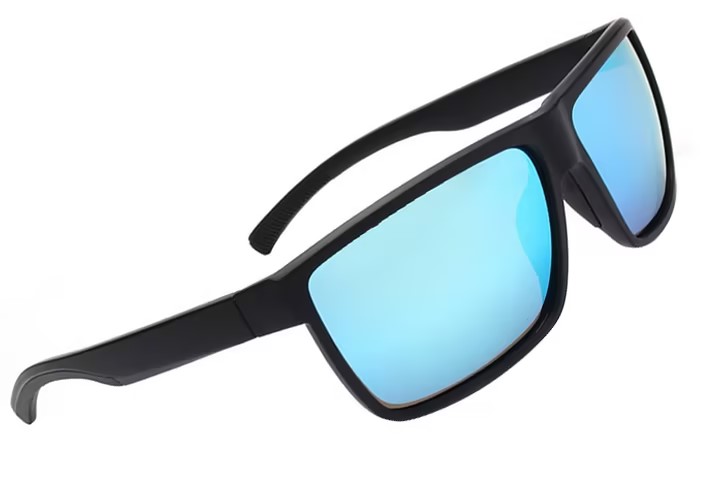
At Beautaste Eyewear, we offer both TR90 and polycarbonate frame options to suit every market—from stylish optical collections to high-performance sports eyewear.
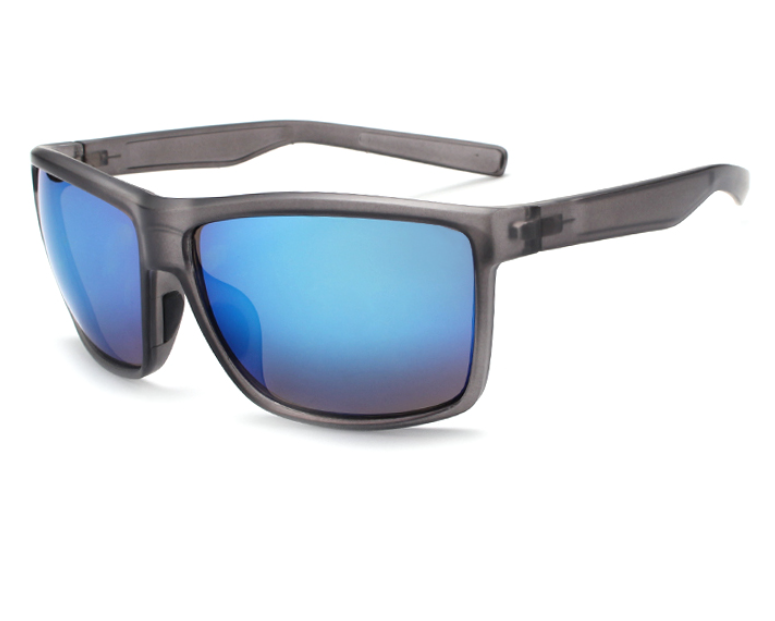
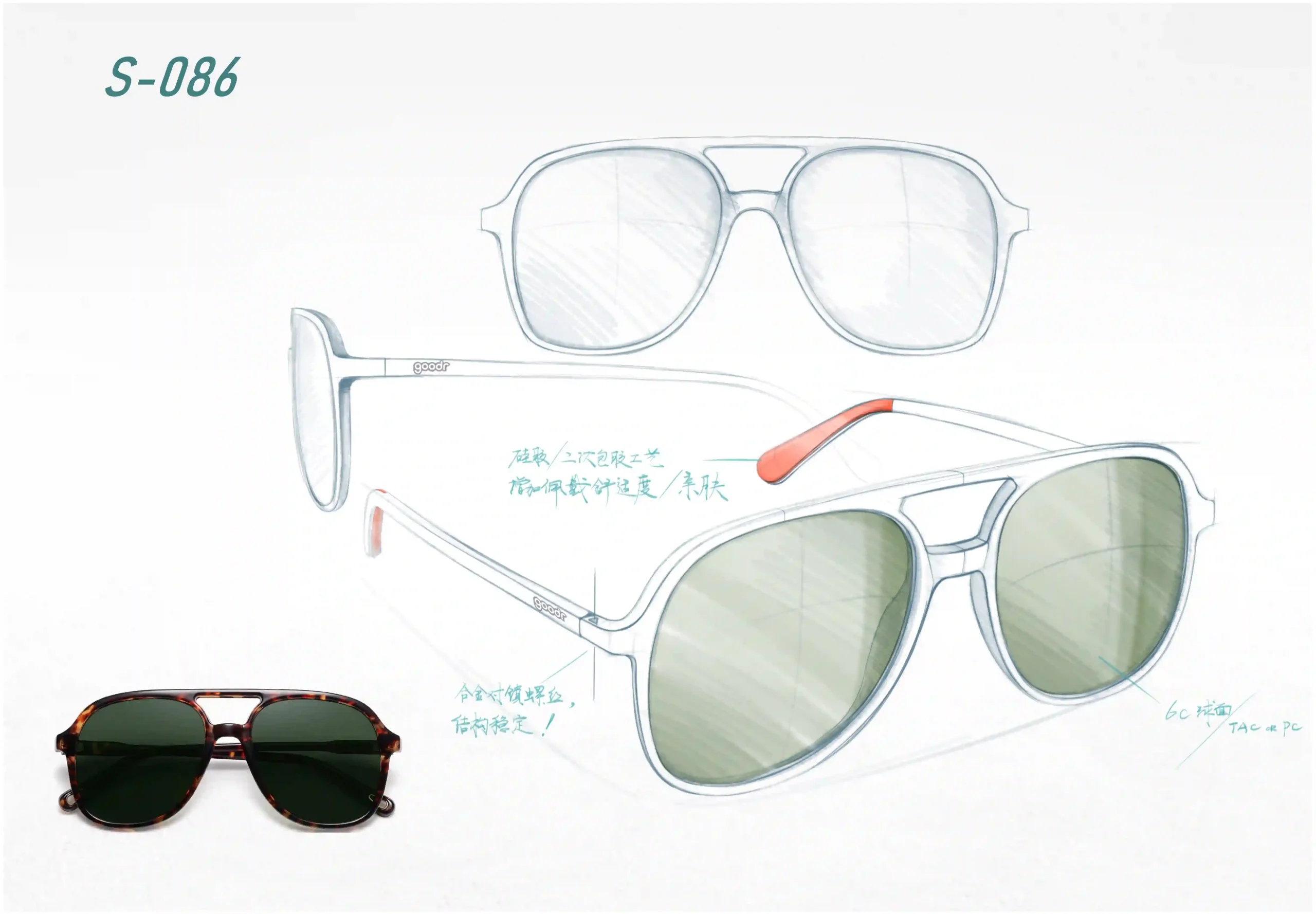
Take our Swick Series, for example—designed using high-quality polycarbonate for enhanced durability without compromising on look. For trend-focused clients, our TR90 collections feature vibrant designs and ultra-light frames ideal for long-term wear.
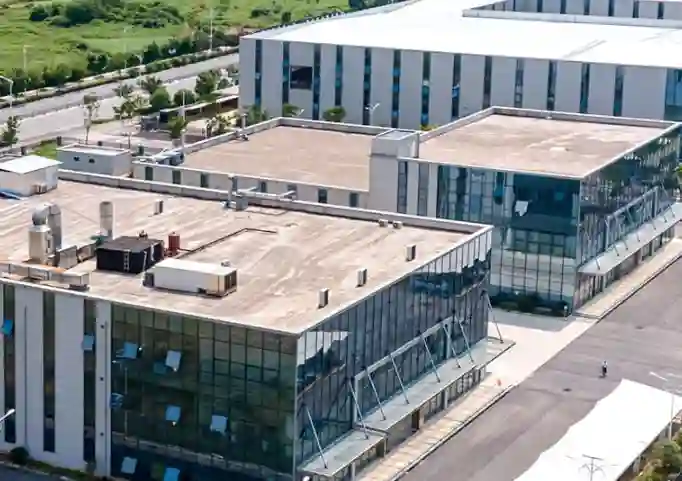
With a portfolio of over 10 million pairs produced annually, 300+ global clients, and a product sampling pass rate of 99%, Beautaste is trusted for quality, reliability, and style.
Need more options? Download our complete product catalog here: Beautaste Catalog Download
TR90 is better for flexibility and comfort. Polycarbonate is stronger for impact resistance. Choose based on your use case.
TR90 resists bending and warping, but PC is more impact-proof. TR90 wins for flexibility, PC wins for shatter resistance.
No, TR90 frames are built to flex and return to shape, so they’re less likely to snap under pressure.

+86-577-86072133

0086 13506515296

 English
 Spanish
 Arabic
 French
 Russian
 Portuguese
 German
 Japanese
 Korean
 Hindi
 Bengali
 Italian
 Turkish
 Persian
 Vietnamese
 Thai
 Urdu
 Dutch
 Indonesian
 Greek
 Swedish
 Malay
 Polish
 Czech
 Tagalog
 Danish




 China
 LIBERIA
 FRANCE
 BARBADOS
 KIRIBATI


