
 19th, December 2024
When it comes to winter sports, skiing and snowboarding are among the most thrilling activities you can experience.
Whether you’re carving down a high-speed slope or gliding through a freestyle snow park, one thing remains constant: the need for reliable goggles.
But have you ever wondered if there’s a difference between ski goggles and snowboard goggles?
Choosing the right pair can make all the difference in comfort, performance, and safety. Let’s explore the key differences between these essential pieces of gear to help you make the right choice.
Ski goggles are specifically designed for the demands of downhill skiing. They are built to provide clear vision, protect your eyes from harsh weather, and enhance safety at high speeds.
These goggles often feature aerodynamic designs and snug fits to reduce wind resistance.
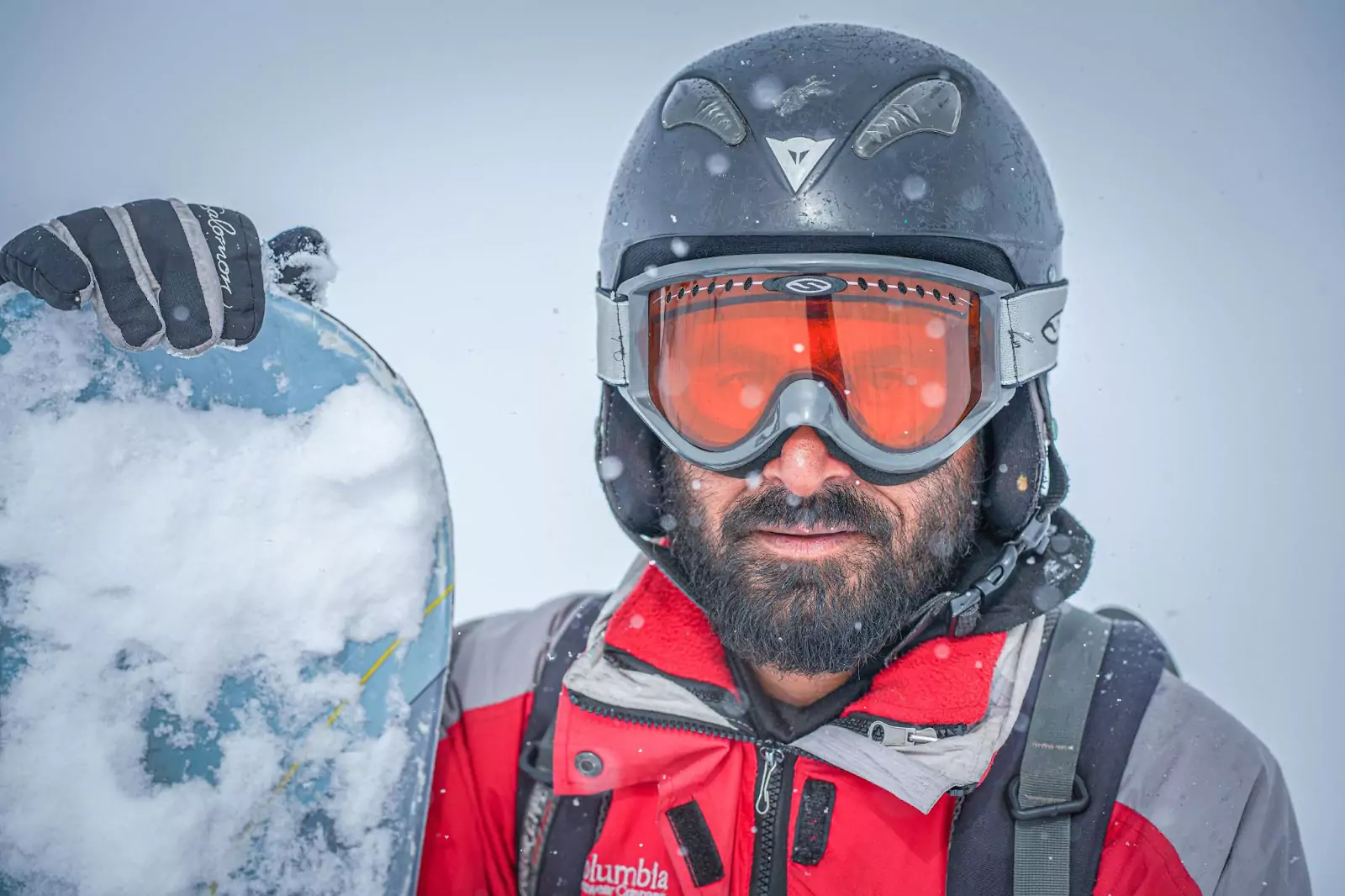
Ski goggles are optimized for the fast-paced nature of downhill skiing. Their lenses are often designed to minimize glare and distortions, ensuring you can spot obstacles and changes in terrain.
Most ski goggles prioritize peripheral vision to help skiers anticipate their surroundings, especially on crowded slopes.
Anti-fog coatings and ventilation systems ensure clear vision, even during rapid temperature changes.
If you’re a skier who loves racing downhill at top speeds, ski goggles are the perfect choice. Their snug fit and tailored ventilation systems help keep your focus sharp.
Ski goggles cater to the needs of competitive athletes by providing superior optical performance and a secure fit during intense movements.
Snowboard goggles are crafted to meet the needs of snowboarders, offering a slightly different focus in terms of design. They often feature a broader frame to provide a panoramic view, allowing snowboarders to navigate terrain parks and off-piste areas more effectively.
Snowboard goggles often come with a wider lens shape, enhancing peripheral vision. This is particularly beneficial for freestyle snowboarding and navigating crowded parks.
The design of snowboard goggles takes into account the need for versatility. They offer excellent protection from wind, snow, and UV rays, while also ensuring comfort during long sessions on the slopes.
If you’re into tricks, jumps, and navigating complex terrains, snowboard goggles provide the field of vision and comfort you need.
Their enhanced coverage and panoramic views are ideal for unpredictable environments like snow parks and backcountry trails.
While ski and snowboard goggles share many similarities, they also differ from snowmobile goggles. Snowmobile goggles are designed with specific features to handle the challenges of snowmobiling, such as higher speeds, colder conditions, and greater exposure to wind.
| Factors | Ski Goggles | Snowboard Goggles | Snowmobile Goggles |
| Design and Aesthetics | Streamlined, aerodynamic | Wider frame for panoramic views | Bulkier with advanced insulation |
| Field of View | Wide but focused | Panoramic for freestyle movements | Focused on wind protection |
| Anti-Fog Systems | Moderate ventilation | Advanced ventilation systems | Enhanced anti-fog capabilities |
| Wearing Comfort | Tight fit for speed | Flexible fit for versatility | Heavily padded for wind resistance |
Think about the type of terrain and activity you’ll be tackling. For skiers who love speeding downhill, goggles with streamlined designs and anti-fog capabilities are a must.
Snowboarders navigating freestyle parks or backcountry trails will benefit from goggles with wider fields of view and extra padding for comfort during longer sessions.
Your goggles should reflect both functionality and style. Do you value a sleek, minimalist design, or do you prefer a bold, colorful frame?
Choose goggles that not only fit your aesthetic but also align with your optical needs, such as UV protection and lens tint.
Never underestimate the importance of trying goggles before buying them. Check for pressure points and compatibility with your helmet.
Proper fit ensures the goggles stay in place during intense activities and maintains a secure seal against wind and snow.
Lens technology plays a crucial role in visibility and comfort. Look for features like interchangeable lenses for varying light conditions or polarized lenses for glare reduction.
Don’t forget to consider the Visible Light Transmission (VLT) rating to ensure optimal performance in your typical skiing or snowboarding environment.
Ski goggles and snowboard goggles may look similar, but their designs and features cater to different needs.
Ski goggles are ideal for high-speed precision and performance, while snowboard goggles excel in offering panoramic views and comfort for freestyle and off-piste adventures.
By understanding these differences and considering your personal preferences, you’ll be able to choose the perfect pair for your next snowy escapade.

+86-577-86072133

0086 13506515296

 English
 Spanish
 Arabic
 French
 Russian
 Portuguese
 German
 Japanese
 Korean
 Hindi
 Bengali
 Italian
 Turkish
 Persian
 Vietnamese
 Thai
 Urdu
 Dutch
 Indonesian
 Greek
 Swedish
 Malay
 Polish
 Czech
 Tagalog
 Danish






 China
 LIBERIA
 FRANCE
 BARBADOS
 KIRIBATI


