
 14th, March 2026
Polycarbonate lenses are molded plastic known for impact resistance, thinness, and built-in UV protection. CR-39 lenses offer superior optical clarity but are thicker and heavier. Polycarbonate absorbs impact without cracking, making it ideal for sports and safety eyewear. CR-39 requires an added UV coating and is better suited for daily, low-risk use. Beautaste Eyewear, a trusted OEM/ODM partner for mid-to-high-end eyewear brands, uses advanced PC lens technology in its sports collections for durability and protection.
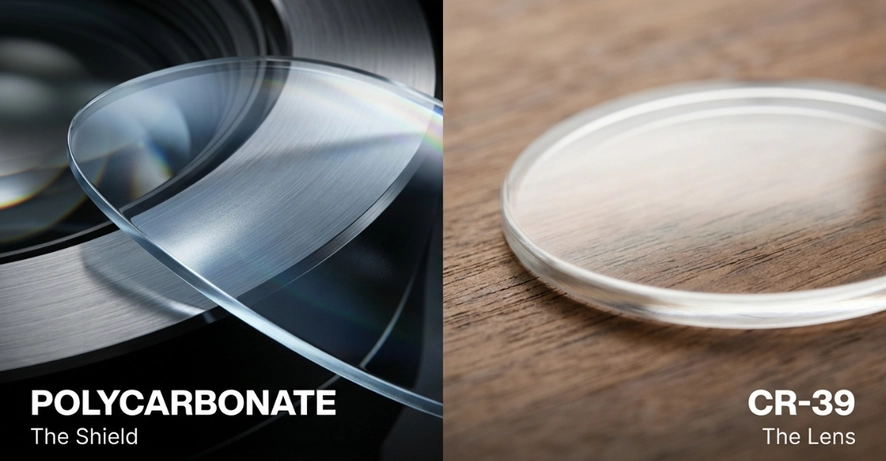
A polycarbonate lens is a molded lens material known for its impact resistance, thin profile, and built-in UV protection. It is popular in sports sunglasses, children’s eyewear, and protective glasses.
CR-39 is a plastic lens material known for its clarity and optical stability. Many people choose it for everyday eyewear because it provides crisp vision at an affordable price.
CR-39 is a thermoset plastic. It holds shape well, resists warping, and provides consistent optical quality.
To help beginners understand the main differences, each performance factor is explained in clear, simple terms.
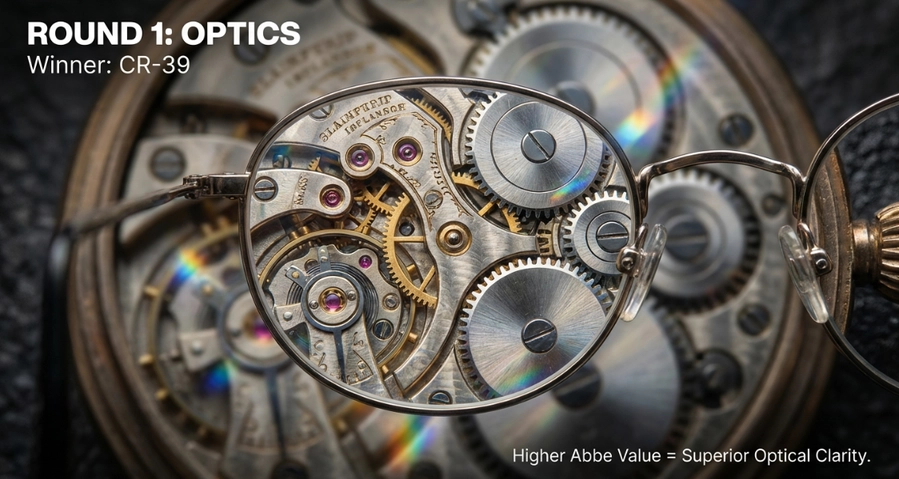
CR-39 provides sharper and clearer vision because of its higher Abbe value. This means less color fringing and less distortion at the edges of the lens.
Polycarbonate has lower clarity but performs well enough for most activities. For sports, this trade-off is acceptable because safety matters more than perfect clarity.
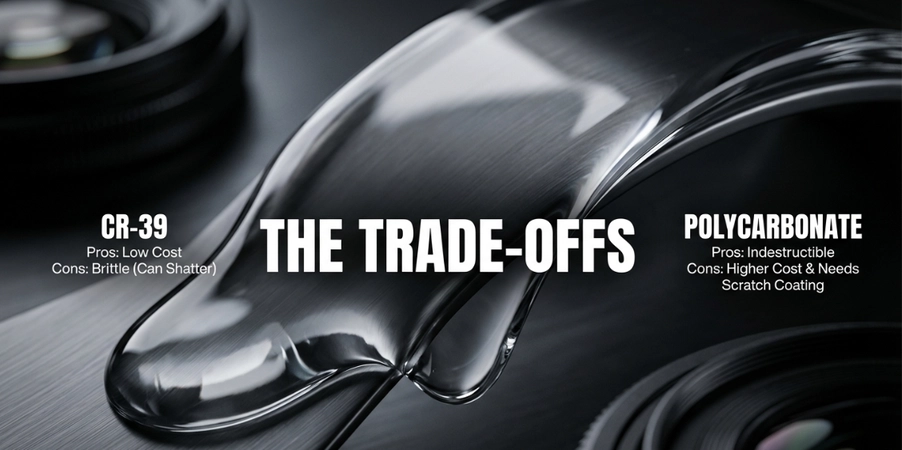
Impact resistant polycarbonate lenses are one of the toughest lens types you can wear. They absorb sudden force without cracking, which is why they are used in sports eyewear and safety glasses.
CR-39, in contrast, can crack under impact and is not recommended for high-risk environments.
Polycarbonate lenses are thin and lightweight, making them comfortable for long wear.
CR-39 lenses are thicker and heavier. The added thickness makes them unsuitable for certain frame designs like rimless or semi-rimless frames.
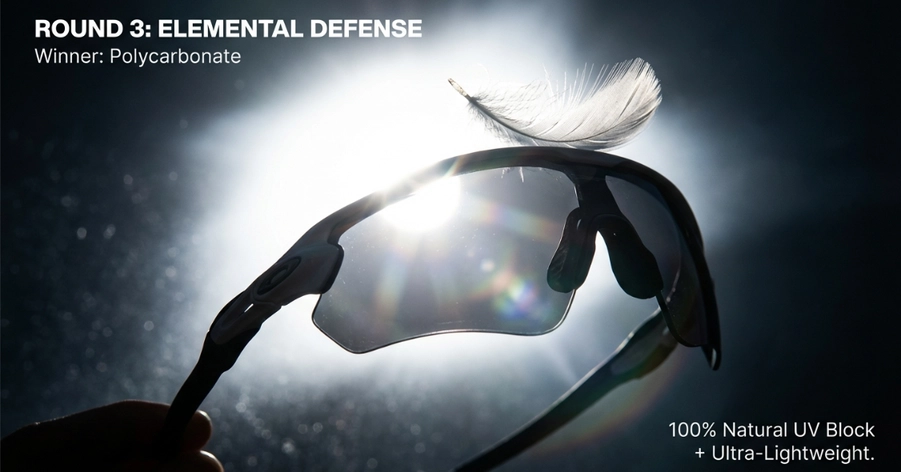
UV protection is essential for long-term eye health. Polycarbonate lenses offer polycarbonate lenses UV protection naturally, blocking nearly all UVA and UVB rays without extra coatings. CR-39 lenses need an added UV coating to match this level of protection.
Does polycarbonate scratch easily? Yes, it can scratch faster than CR-39 because it is a softer material.
A hard coating reduces this issue and keeps the surface more resistant to daily wear.
CR-39 is the more affordable option. This makes it appealing for budget-friendly eyewear or customers who want clear optics at a lower price. Polycarbonate lenses cost more because they require additional processing and coatings. However, the benefits of polycarbonate lenses—lightweight comfort, UV protection, and safety- offset the added cost for many users.
| Feature | Polycarbonate Lenses | CR-39 Lenses |
|---|---|---|
| Optical Clarity | Moderate clarity | High clarity |
| Impact Resistance | Excellent; ideal for sports | Low; breaks easier |
| Weight | Lightweight | Heavier |
| UV Protection | Built-in protection | Needs added coating |
| Scratch Resistance | Requires hard coating | Better natural resistance |
| Cost | Slightly higher | Lower |
| Recommended Use | Sports, kids, safety | Daily wear, indoor use |
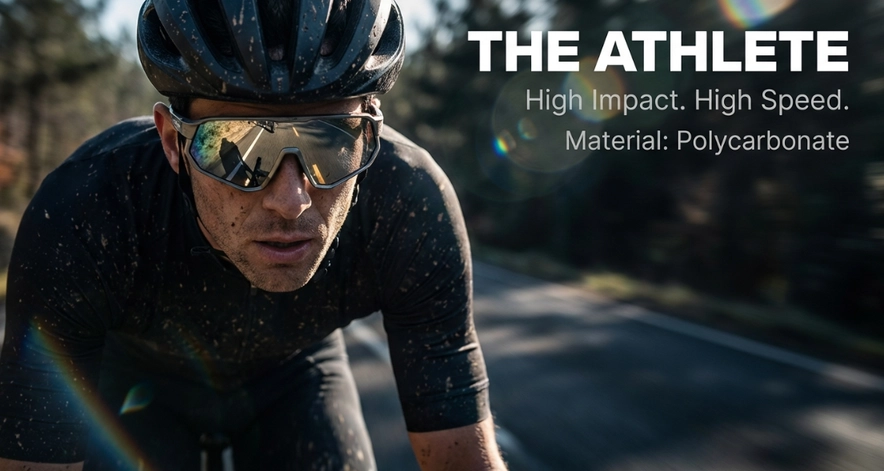
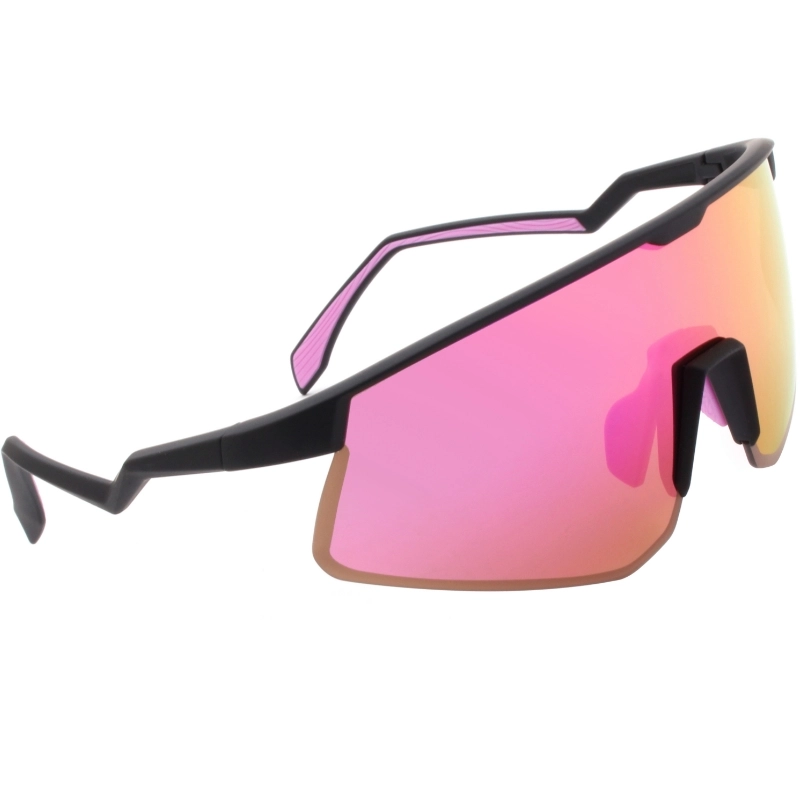
Sports eyewear must stay secure, feel light, and withstand sudden impact. Polycarbonate supports wraparound frames, aerodynamic shapes, and mirrored or tinted finishes used across cycling, fishing, skiing, and other performance sports.
Manufacturers such as Beautaste Eyewear often choose this material when producing OEM/ODM sports sunglasses because it handles impact and movement without compromising comfort.
Some people confuse polycarbonate with standard “plastic lenses.” CR-39 is considered the classic plastic lens.
Here is the simplest distinction:
While both are plastics, they serve different needs. CR-39 suits indoor and everyday use, while polycarbonate works better for active or outdoor situations.
Both materials serve different needs. One focuses on visual clarity. The other focuses on protection and strength. For brands building active eyewear collections, polycarbonate delivers safety and durability. For daily lifestyle glasses, CR-39 provides crisp optics at a lower cost.
At Beautasteyewear, sports eyewear collections use advanced PC lens technology designed for impact resistance and UV protection. If you are planning your next eyewear line, explore the collection of sport sunglasses and build eyewear designed for real performance.
Yes. Their impact strength makes them ideal for sports eyewear and protective glasses.
They can crack under impact, so they are better for low-risk environments.
Yes. They include full UV protection without added coatings.
They have a higher Abbe value, which reduces distortion.

+86-577-86072133

0086 13506515296

 English
 Spanish
 Arabic
 French
 Russian
 Portuguese
 German
 Japanese
 Korean
 Hindi
 Bengali
 Italian
 Turkish
 Persian
 Vietnamese
 Thai
 Urdu
 Dutch
 Indonesian
 Greek
 Swedish
 Malay
 Polish
 Czech
 Tagalog
 Danish




 China
 LIBERIA
 FRANCE
 BARBADOS
 KIRIBATI


