
 1st, September 2026
Brands pay more for Italian acetate because it offers rich colors, a premium finish, and good adjustability. High-quality acetate is also easy to polish and shape. Italian acetate sunglasses, for instance, make use of cellulose blocks made from plants that are cured for several months, ensuring that the frames do not warp from pressure or heat.
Beautaste Eyewear provides customized acetate sunglasses made through the best quality block-cut acetate and CNC machining. The company was found in 2004 and maintains complete compliance with CE and FDA regulations with full SGS material reports across its global facilities.
Italian acetate is one of the top quality and organic plastics that are made using sustainable raw materials such as cotton and wood pulp. It was famously made by Italy’s Mazzucchelli 1849 manufacturing plant for high-end glasses and other fashion accessories.
Italian manufacturers use this organic material together with plant-based plasticizers to make sheets of solid blocks. These sheets are then left in specially designed curing chambers for a few months during which the solvent gets evaporated and the structure becomes dense.
The CNC machine cuts the acetate frames of sunglasses directly from these blocks. This method then produces hypoallergenic and flexible frames that opticians can easily heat and adjust.
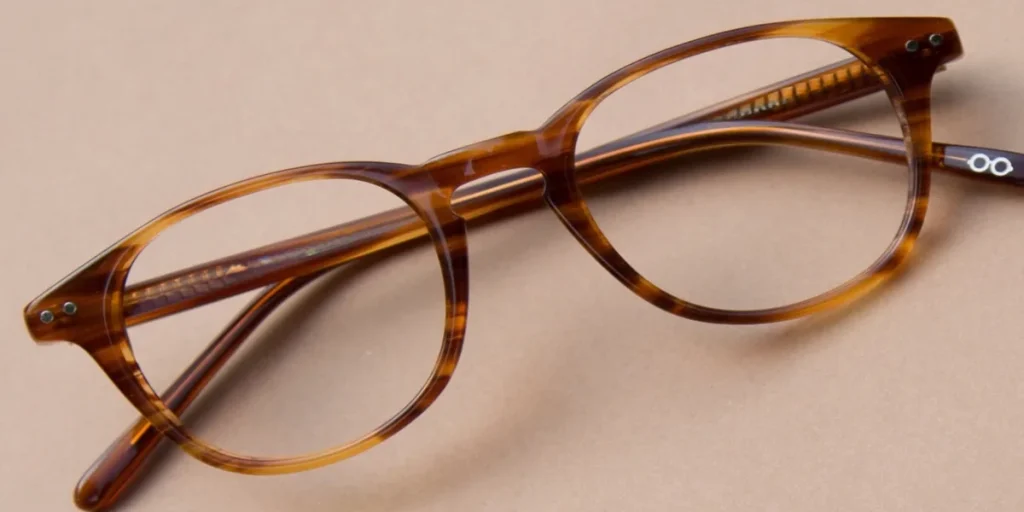
In Italian wood panels, the dyes used are infused into the whole piece of wood, and not just sprayed on top of the surface. This multi-layered pressing techniques create rich tortoiseshells and deep gradients.
Because the color runs through the acetate sheet instead of sitting only on the surface, scratches and normal wear are less likely to expose a different color underneath. This also helps premium acetate frames keep their appearance over time.
Cellulose acetate, which is cured, possesses good tensile strength and impact resistance. The surface of the frames becomes silky when polished manually that feels smooth on the users’ skins.
Metal wires inside the temples keep their shape for an extended period of time. Its frame arms keep their structural memory without becoming brittle or losing its form.
The bio-acetate used by modern European manufacturers contains non-phthalate and organic plasticizers made from plants. Such organic chemicals decompose quicker in an industrial compost environment compared to those derived from fossil fuels.
Sustainable brands use such blocks made from plants for reducing carbon footprints. Premium materials used comply with European environmental standards easily.
| Material | Manufacturing Method | Heat Adjustability | Surface Aging |
| Italian Acetate | Block curing & CNC milling | Excellent with heat frame warmer | Restorable via hand polishing |
| Generic Acetate | Fast-cured raw sheet cutting | Moderate adjustability | May bloom or show haze over time |
| Injection Plastic | Liquid molding in high-pressure dies | Non-adjustable; melts under heat | Flakes, peels, or snaps easily |
| TR90 Nylon | Thermoplastic injection molding | Fixed shape memory | Durable but non-moldable finish |
The real difference is curing time. Italian acetate blocks are cured slowly — sometimes for months — before being CNC milled into shape. This lets moisture and solvent fully evaporate from the material.
Generic acetate is often cut from sheets that were cured quickly to save cost. The material still holds trapped water and solvent. Over time, this shows up as blooming (a hazy white film) or surface instability — frames that warp slightly under store lighting or humidity changes.
Fully cured Italian acetate stays dimensionally stable and can be reshaped with a heat frame warmer for fitting adjustments. Generic acetate has only moderate heat response, so fit adjustments are less reliable and less repeatable.
When comparing acetate sunglasses vs plastic sunglasses, petroleum-based plastics injection-molded into cold dies results in visible mold seam lines. The spray painted coating of such lenses gets chipped off when exposed to sweat or skin oils.
High quality acetate sunglasses have equal material densities all over the body. Scratches on solid acetate rub out completely during professional buffing wheels polishing.
TR90 nylon is a material which provides lightness and flexibility in sports performance frames. Unfortunately, opticians are not able to bend the frames made from TR90 for bridge or ear fit customization.
Pure titanium is very strong and light, but it lacks thickness. The best option is acetate rims mounted on a metal wire skeleton for the balance of style and stability.
Confirm factory compliance documents before entering into manufacturing agreements. Ask for certificates of origin of materials and material safety data sheets (MSDS).
Check factory test reports regarding nickel leaching, ISO 12312-1 UV resistance, and FDA impact resistance. Expert manufacturers provide these documents readily for a transparent supply chain.
Explore factories’ raw materials libraries to create custom patterns. Acetate sunglasses from Italy can accommodate complex laminations that incorporate solid backing layers with clear tortoise facings.
Inquire whether your suppliers offer any custom PVD colors for the exposed metal barrel hinges. Unique physical textures will help take your optical private labels to a higher level.
Block-milling production requires more time than regular plastic injection molding. Raw material curing requires several weeks, and milling itself is very precise and requires calibration.
Make inventory forecasting at an early stage, when balancing unit price with batch volume. Flexible manufacturing systems operate multiple factories at once for optimized delivery of production.
Educate the consumer about the 50+ manufacturing processes that go into hand-finished eyewear. Emphasize artisanal tumbling, hand buffing, and custom barrel hinge assembly steps. Highlight the organic cotton origins to take simple frames and create luxury heritage stories. Top quality workmanship will justify higher margins automatically.
Target fashion-minded consumers who value comfortable wear, hypo-allergenic material, and durability of frame. Place cured frames into high end boutique price points. Focus marketing efforts on selling the product’s value rather than trendy disposable fashion trends. Durable and heat-formable frames mean fewer returns to online optical companies.
Use handcrafted frame sets with custom made hard shell cases and microfiber cleaning cloths. Packaging design consistency creates added value of the brand during the unboxing experience.
Marketing statements should always be consistent with the CE, FDA, and SGS test certificate statements. Compliance documentation secures brand authenticity across different international markets.
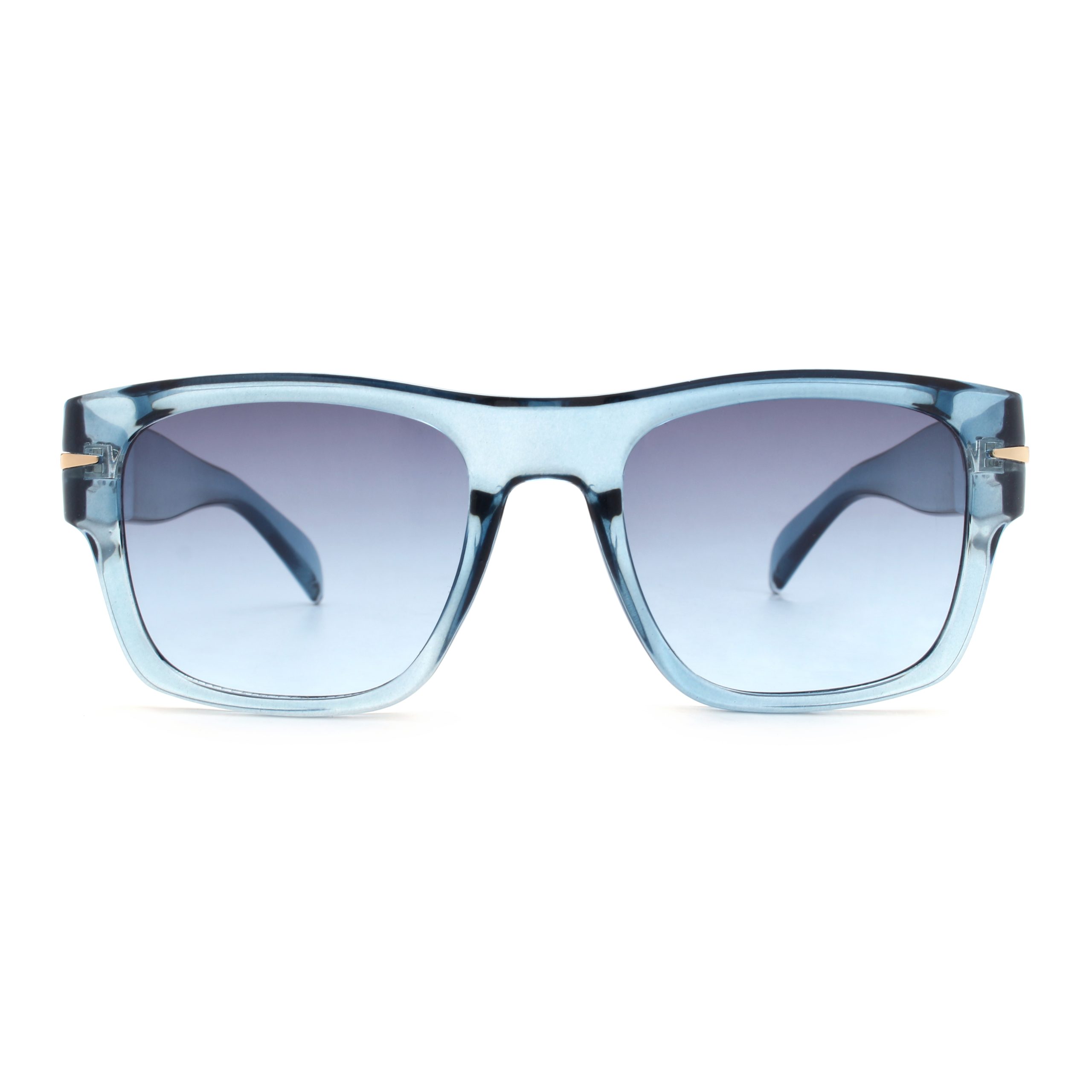
Yes, Italian acetate sunglasses are exposed to extended curing periods, thereby removing any tension within the materials. Through this method, excellent color clarity, dimensional stability, and hand-polishing finish are achieved.
Cellulose acetate is a semi-synthetic polymer formed by chemical reaction between plant material and acetic anhydride. This material is durable, hypoallergenic, and exists in form of sheets used for making frames.
Cellulose acetate is sourced from renewable plant sources such as cotton linters and wood pulp. Biodegradable acetate utilizes plant-sourced plasticizers to make frames more eco-friendly rather than petroleum plastics.
Combining more than two decades of ODM/OEM manufacturing with factories in multiple facilities, personalized PVD colors, and custom acetate sunglasses packaging, Beautaste Eyewear provides premium eyewear made using pure titanium, beta titanium, and block-cut acetate frame material with custom spring hinges.
Beautaste Eyewear frames have been cured at high density, ensuring longevity in terms of durability and hand polishing. They comply with EN ISO 12312-1 standards for full UV protection, and FDA 21 CFR 801.410 standards for impact resistance. Moreover, their SGS chemical safety certifications confirm zero toxic phthalate leeching, protecting end consumers.
Beautaste Eyewear supports custom acetate eyewear projects for global brands. Buyers can request material information, product samples, and relevant test documents before confirming a bulk order.
Contact our sourcing team today to request factory production quotes.

+86-577-86072133

0086 13506515296

 English
 Spanish
 Arabic
 French
 Russian
 Portuguese
 German
 Japanese
 Korean
 Hindi
 Bengali
 Italian
 Turkish
 Persian
 Vietnamese
 Thai
 Urdu
 Dutch
 Indonesian
 Greek
 Swedish
 Malay
 Polish
 Czech
 Tagalog
 Danish




 China
 LIBERIA
 FRANCE
 BARBADOS
 KIRIBATI


