
 3rd, September 2026
Titanium is a popular choice for sensitive-skin eyewear because it is corrosion-resistant, lightweight, and generally well tolerated by the skin. For buyers targeting customers with metal sensitivities, the full frame should also be checked, including screws, hinges, coatings, and nose pads.
Beautaste Eyewear produces allergy-free titanium glasses frames using Grade-1 pure titanium and beta titanium to avoid allergic reactions. The company is supported by CE, FDA, and SGS material certifications. Notably, it is serving global brands with precision OEM manufacturing from factories in China, Vietnam, and Thailand.
Metal frames generally use nickel or copper alloys to save money. The metals ionize through sweat and come into direct contact with the human body due to prolonged wearing of the product. Poor-quality plastic frames give off plasticizers or solvents when in close contact with the skin.
Nickel-induced allergic contact dermatitis results in symptoms of redness, pain, inflammation, and intense itching of the skin. Customers have reported dark markings on the point of contact with the bridge and scaly patches behind the ears. Such problems make customers return their purchases and leave negative reviews about the brands online.
| Eyewear Material | What Buyers Should Know | Biocompatibility Level | Key Structural Driver |
| Pure Titanium | Lightweight, corrosion-resistant, and commonly used for sensitive-skin eyewear | Very High | Passive oxide film stops metal ion leaching |
| Monel Metal | Often contains nickel, so nickel-release testing may be important | Low | High nickel content dissolves in sweat |
| Stainless Steel | Durable, but composition varies by grade | Moderate | Trace nickel presence causes reactive flare-ups |
| Standard Acetate | The frame front has little direct metal contact, but hinges and other parts still need checking | Moderate | Solvents or cheap plasticizers leach out |
Titanium is hypoallergenic since it naturally reacts with oxygen to produce an oxide layer ($TiO_2$). This oxide layer ensures that the body fluids do not dissolve any metal ions into the skin. Pure titanium glasses frames contain no cyto-toxic properties, hence are the best eyeglasses for skin contact.
Material engineers choose pure titanium for chassis applications where corrosion is a major problem. Lightweight titanium glasses are about 40% lighter than stainless steel eyeglasses. This structural weight reduction eliminates mechanical pressure sores on nose pads and temple bridges.

The rimless design makes use of reduced skin contact areas combined with increased frame lightness. Engine-milled titanium mounting posts reduce chassis flex while protecting the sensitive skin areas from any pressure.
The full rim provides strength and thin frames. Titanium rims support high prescription glasses with minimum unnecessary weight.
Beta titanium consists of titanium, vanadium, and aluminum in alloy form to provide flexibility and spring temping. This alloy maintains hypoallergenic glasses safety while providing dynamic shape retention for active wearers.
In comparing titanium vs stainless steel glasses, steel is durable but has nickel content between 8% to 14%. Sweat causes corrosion of the surface of the steel, posing allergic reactions to sensitive users.
Frames made of acetate and TR90 plastic provide non-nickel features. But heavy frames made of plastic do not have the thinness and strength that titanium glasses have.
Gold and platinum are used to coat base metals temporarily. As the outer layer wears away due to friction, the inner layer of metal causes allergic reactions to nickel.
Authentic pure titanium is characterized by non-magnetism, lightweight, and high thermal resistance. Precise laser inspection guarantees purity of titanium material used in the manufacturing process.
Chemical purity of materials should be confirmed by OEM purchasers through material inspection of certificates. The material report from SGS guarantees the composition of titanium used. ISO of Europe proves compliance with the release of nickel.
Raw titanium demands higher temperatures for its processing and special equipment. Wholesale purchasers take into account Minimum Order Quantities (MOQs) for their own special Physical Vapor Deposition (PVD) color coating and hinging.
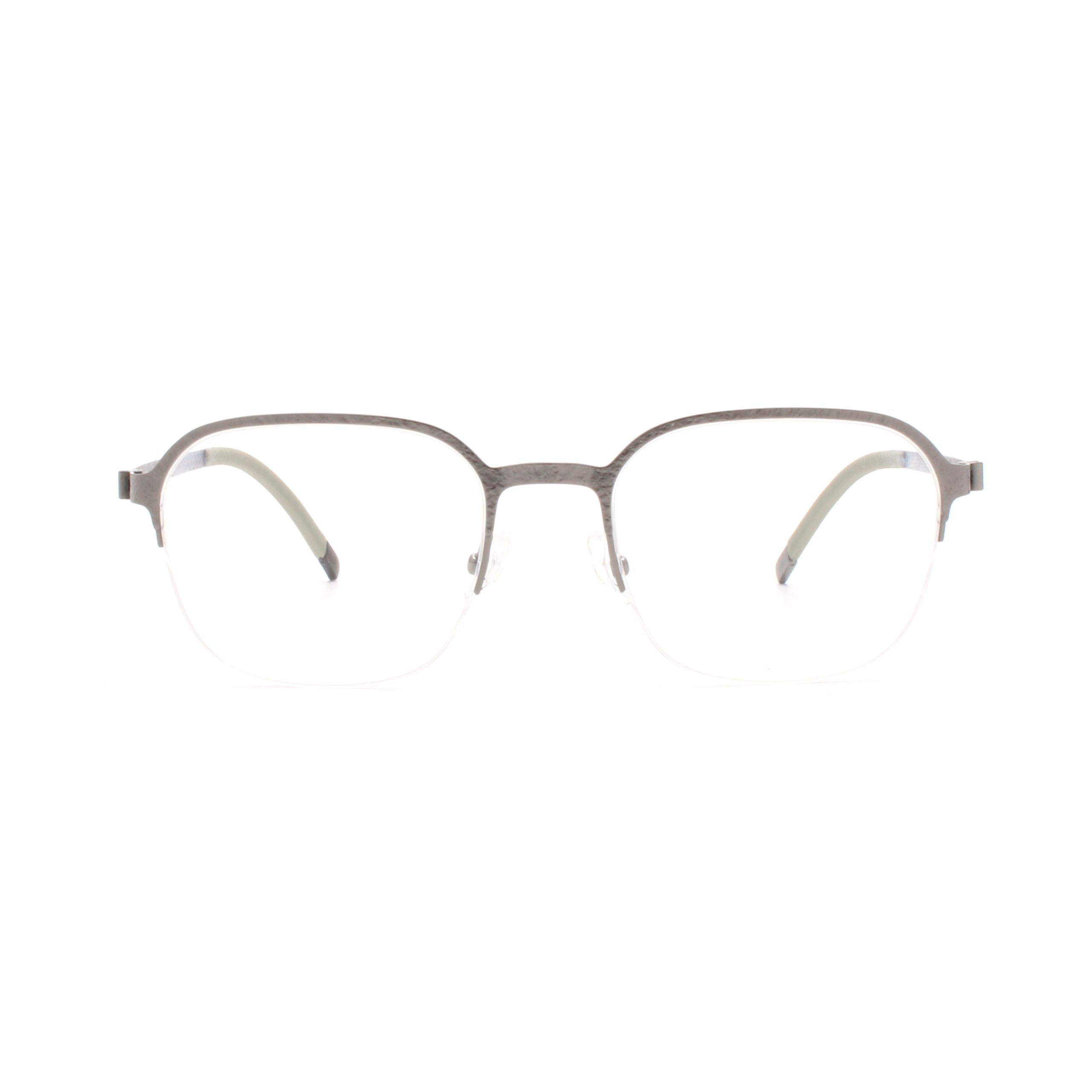
Position hypoallergenic eyeglass frames directly toward medical professionals, athletes, and adults with diagnosed metal contact allergies.
The brands only use claims such as “nickel-free” when test reports or material documents can support them. Regardless, the above statements should be supported by certified laboratory documents.
Enhance long-lasting biocompatibility through mild soap cleaning. Encourage use of custom-made microfiber cases that help in protecting PVD coating.
Yes. The pure titanium used to make dental implants comes with its own oxide layer that ensures there is no metal migration into the skin. The use of titanium glasses for allergies ensures that there is no skin inflammation and contact dermatitis since titanium does not contain any nickel.
Yes, but the allergy to titanium eyewear is very rare. Allergies to such eyewear occur due to low-quality plating layers or non-titanium nose pad screws, not due to titanium itself.
The best titanium glasses combine grade-1 pure titanium front rims with flexible beta-titanium temples. Look for models certified nickel-free under European ISO standards.
The knowledge about titanium material science helps the eyewear companies to fix the problem of skin allergy for their consumers by using grade 1 pure titanium and beta-titanium to avoid releasing any nickel according to EU REACH and ISO 12870 standards.
Established in 2004, Beautaste Eyewear possesses more than 20 years of OEM manufacturing expertise for titanium glasses frames. Beautaste manufactures its eyeglasses frames at facilities located in China, Vietnam, and Thailand.
Beautaste provides customers with customized PVD treatments, screwless hinges, and fully certified pure titanium collection such as Titanium Handmade Frames for All-Day Wear. Contact Beautaste Eyewear today to develop your brand’s next hypoallergenic titanium frame collection.

+86-577-86072133

0086 13506515296

 English
 Spanish
 Arabic
 French
 Russian
 Portuguese
 German
 Japanese
 Korean
 Hindi
 Bengali
 Italian
 Turkish
 Persian
 Vietnamese
 Thai
 Urdu
 Dutch
 Indonesian
 Greek
 Swedish
 Malay
 Polish
 Czech
 Tagalog
 Danish




 China
 LIBERIA
 FRANCE
 BARBADOS
 KIRIBATI


